Understanding Quality, Value, Authenticity and Smart Buying
Luxury items occupy a unique position in the world of shopping. They are not purchased only because they perform a basic function. A luxury watch tells time, a designer handbag carries personal belongings, and a premium vehicle provides transportation—but the appeal usually goes far beyond practical use.
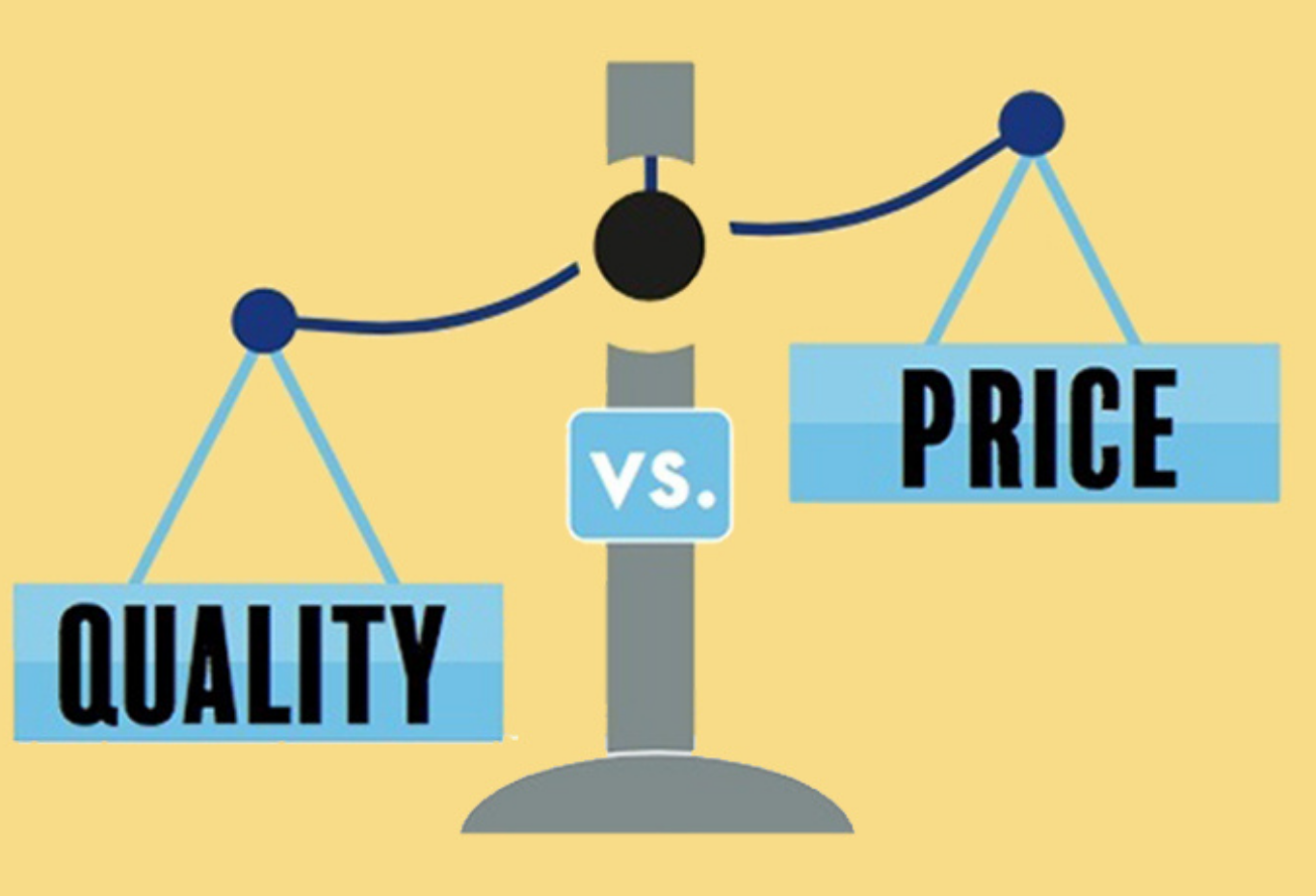
People choose luxury goods for craftsmanship, materials, design, heritage, exclusivity, personal expression and, in some cases, long-term collectability. The challenge is that a high price does not automatically mean high quality. Some expensive products offer exceptional workmanship, while others place greater emphasis on branding, scarcity or prestige.
That makes understanding luxury items important before making a significant purchase.
Whether you are interested in luxury fashion, watches, jewelry, handbags, accessories, technology, home products or other premium goods, the best approach is to look beyond the logo and examine what actually makes the product valuable.
What Are Luxury Items?
Luxury items are premium products that generally combine several characteristics such as high-quality materials, skilled craftsmanship, distinctive design, brand heritage, limited availability or strong market reputation.
The definition of luxury can vary between people. One shopper may consider a handcrafted leather bag a luxury purchase, while another may associate luxury with a Swiss watch, fine jewelry or a high-end automobile.
Luxury therefore does not simply mean “expensive.”
A useful way to think about luxury is:
Luxury = quality + craftsmanship + design + reputation + experience + exclusivity
Not every luxury product scores equally across all of these areas.
For example, one brand may be famous for exceptional watchmaking, another for leather craftsmanship, and another for fashion design. Understanding those differences can help shoppers make more informed choices.
What Makes a Product Luxury?
Several factors contribute to the perception and value of a luxury product.
Craftsmanship
Craftsmanship is one of the most important elements.
A luxury product may involve detailed hand-finishing, specialized construction techniques, carefully selected materials or extensive quality-control processes.
In some categories, craftsmanship can be difficult to see immediately. The important question is not simply whether something looks impressive but whether the construction supports its price.
Look for:
-
Precision in construction
-
Consistent stitching
-
High-quality finishing
-
Carefully assembled components
-
Durable hardware
-
Attention to small details
-
Appropriate material selection
A product that looks attractive in photographs may reveal a very different level of workmanship when examined closely.
Materials
Materials have a direct effect on durability, appearance and feel.
Luxury products may use specialized leather, precious metals, gemstones, high-grade fabrics, technical materials, premium wood or other carefully selected components.
However, expensive materials alone do not guarantee a superior product.
The quality of the material, how it has been processed and how it has been incorporated into the product all matter.
Design
Luxury products often have a recognizable design language.
Some designs are deliberately subtle, while others are immediately identifiable. A strong luxury design can remain desirable for many years rather than depending entirely on a short-lived trend.
When evaluating design, consider whether you genuinely like the product or whether you are attracted mainly by its popularity.
Brand Heritage
Heritage can contribute significantly to luxury positioning.
A brand with decades or centuries of history may have developed distinctive manufacturing traditions, recognizable designs and a strong reputation within its category.
However, heritage should be treated as one factor—not a substitute for product quality.
A famous name cannot compensate for a product that does not meet your expectations.
Exclusivity
Limited production, restricted availability and distinctive designs can increase a product's sense of exclusivity.
Exclusivity can be created through:
-
Limited editions
-
Small production runs
-
Special collections
-
Bespoke customization
-
Restricted distribution
-
Unique materials
-
Individual craftsmanship
Scarcity can increase desirability, but scarcity alone does not necessarily mean a product is objectively better.
Main Types of Luxury Items
Luxury is a broad category that covers many different products.
Luxury Fashion
Luxury fashion includes premium clothing, footwear, outerwear and collections from established designer houses.
When evaluating luxury clothing, examine:
-
Fabric quality
-
Construction
-
Stitching
-
Fit
-
Finishing
-
Lining
-
Hardware
-
Long-term wearability
A beautiful design is valuable, but practical wearability matters if you intend to use the item regularly.
Luxury Handbags
Luxury handbags are among the most recognizable luxury products.
Important evaluation points include:
-
Leather or fabric quality
-
Stitching consistency
-
Hardware
-
Interior construction
-
Handle attachment
-
Lining
-
Zippers and closures
-
Shape retention
-
Repairability
Think about how the bag will actually be used. A delicate material may be beautiful but less suitable for everyday use.
Luxury Watches
Luxury watches combine engineering, design and craftsmanship.
When comparing watches, consider:
-
Movement type
-
Accuracy
-
Case construction
-
Crystal
-
Water resistance
-
Bracelet or strap quality
-
Service requirements
-
Brand reputation
-
Availability of replacement parts
-
Long-term servicing options
Mechanical watches can require periodic servicing, so the purchase price is not the entire ownership cost.
Luxury Jewelry
Luxury jewelry may include rings, necklaces, bracelets, earrings and other pieces made with precious metals or gemstones.
Important considerations include:
-
Metal type
-
Purity
-
Gemstone quality
-
Setting quality
-
Craftsmanship
-
Documentation
-
Sizing options
-
Maintenance
-
Insurance requirements
For significant jewelry purchases, documentation and independent verification can be especially important.
Luxury Accessories
Accessories can include:
-
Sunglasses
-
Belts
-
Wallets
-
Scarves
-
Luggage
-
Pens
-
Small leather goods
-
Premium footwear
These products can be a more accessible entry point into luxury brands, although the same quality and authenticity considerations still apply.
Luxury Home Products
Luxury is not limited to personal fashion.
Premium home products can include furniture, lighting, kitchen equipment, decorative objects, bedding and other interior products.
Here, durability and functionality become particularly important because the item may need to withstand regular use for many years.
How to Judge Quality Before Buying
One of the biggest mistakes shoppers make is using price as a shortcut for quality.
Instead, create a simple evaluation system.
1. Examine the Construction
Look at how the product is assembled.
Ask:
-
Are seams clean?
-
Are edges properly finished?
-
Are components aligned?
-
Does anything feel loose?
-
Are moving parts smooth?
-
Does the construction appear appropriate for the price?
2. Understand the Materials
Do not stop at phrases such as “premium material.”
Find out exactly what the material is.
For example, leather can differ substantially in quality and finishing. Metals can have different purity levels, and fabrics can vary significantly in composition and durability.
Specific information is more useful than marketing language.
3. Study the Details
Luxury products often distinguish themselves through small details.
Inspect logos, stitching, closures, engraving, finishing and other components.
Details should be consistent with the manufacturer's normal standards.
4. Consider Durability
Ask yourself how the item is expected to perform after one year, five years or longer.
A product that looks impressive on day one may not represent good value if it deteriorates quickly.
Authenticity: One of the Most Important Luxury Shopping Issues
Authenticity is particularly important when buying expensive branded products.
The market contains counterfeit goods that may imitate logos, materials, packaging and even manufacturing details.
Never assume that a product is authentic simply because:
-
It has expensive packaging
-
The seller uses professional photographs
-
The seller claims it is authentic
-
The price is high
-
It comes with a box or certificate
-
The listing uses phrases such as “100% genuine”
Buy From Reliable Sources
The safest approach is generally to purchase directly from the brand or from an established authorized retailer.
For second-hand luxury goods, choose sellers with transparent authentication processes, clear return policies and a strong track record.
Check Product Documentation
Depending on the category, documentation may include:
-
Receipts
-
Serial information
-
Warranty information
-
Certificates
-
Service records
-
Original purchase documentation
Documentation can support authenticity, but it should not be treated as the only proof.
Be Careful With Unusually Low Prices
A price that seems dramatically lower than the normal market price deserves investigation.
There can be legitimate reasons for discounts, including pre-owned condition, discontinued models or seasonal clearance. But an unexplained price gap can also be a warning sign.
New vs Pre-Owned Luxury Items
Buying pre-owned luxury goods can provide access to products at a lower price and can also open the door to discontinued or vintage pieces.
However, condition becomes extremely important.
Advantages of Pre-Owned Luxury
Pre-owned purchases can offer:
-
Lower entry prices
-
Vintage designs
-
Discontinued products
-
Greater selection
-
Potentially slower depreciation
What to Check
Before buying pre-owned, examine:
-
Overall condition
-
Scratches and wear
-
Repairs
-
Replacement components
-
Originality of parts
-
Documentation
-
Service history
-
Seller reputation
-
Return policy
Condition should be clearly described rather than assumed.
Does an Expensive Luxury Item Hold Its Value?
Not necessarily.
This is one of the most important lessons in luxury shopping.
Some products maintain strong resale demand, while others experience substantial depreciation.
Resale value can be influenced by:
-
Brand reputation
-
Model popularity
-
Condition
-
Rarity
-
Production numbers
-
Original accessories
-
Documentation
-
Market demand
-
Current trends
Therefore, do not purchase an item solely because someone claims it is an “investment.”
If you love the product and it fits your budget, potential future value can be an additional consideration—not the primary reason for buying.
How to Compare Luxury Products
Comparing luxury goods requires a different approach from comparing ordinary commodities.
A useful comparison can include six areas:
| Factor | What to Examine |
|---|---|
| Quality | Materials and construction |
| Design | Appearance and usability |
| Brand | Reputation and heritage |
| Exclusivity | Availability and production |
| Ownership | Maintenance and servicing |
| Value | Price compared with overall benefits |
This prevents the brand name from becoming the only deciding factor.
Understanding the Total Cost of Ownership
The purchase price is only one part of the cost.
Some luxury items require ongoing expenses.
These may include:
-
Cleaning
-
Repairs
-
Servicing
-
Storage
-
Insurance
-
Replacement parts
-
Professional maintenance
-
Restoration
For example, a luxury watch may require professional servicing, while fine jewelry may require periodic inspection and cleaning.
A luxury handbag may require careful storage and specialist restoration if damaged.
Before purchasing, ask:
“What will this item cost me to own, not just to buy?”
Luxury Shopping Online
Online shopping has made luxury products more accessible, but it also requires greater caution.
Before placing an order, examine the retailer rather than focusing only on the product.
Check:
-
Company information
-
Return policy
-
Shipping information
-
Customer support
-
Payment security
-
Product descriptions
-
Warranty terms
-
Authentication process
-
Customer reviews
Be particularly careful with unfamiliar websites offering highly desirable luxury products at unusually low prices.
Reviews: What Should You Look For?
Reviews can help, but luxury reviews should be interpreted carefully.
A review saying “beautiful product” tells you very little about long-term value.
More useful reviews discuss:
-
Material quality
-
Comfort
-
Durability
-
Construction
-
Actual dimensions
-
Maintenance
-
Customer service
-
Sizing
-
Real-world use
Look for patterns across multiple independent reviews rather than relying on one opinion.
Luxury Does Not Always Mean Flashy
Luxury can be subtle.
Some buyers prefer visible logos and recognizable designs. Others prefer understated products where craftsmanship is more important than branding.
This is sometimes described as “quiet luxury,” but the underlying principle is simple:
Luxury is personal.
The right product is not necessarily the one that receives the most attention. It is the one that matches your preferences, lifestyle and reason for buying.
How to Build a Luxury Collection
If you are interested in collecting luxury products, avoid buying randomly.
Start by deciding what interests you.
You might focus on:
-
Watches
-
Jewelry
-
Handbags
-
Art
-
Fashion
-
Accessories
-
Design objects
-
Vintage products
Then establish a collecting theme.
A focused collection is often easier to manage than a collection built entirely around impulse purchases.
Keep records of:
-
Purchase date
-
Purchase price
-
Seller
-
Product information
-
Condition
-
Documentation
-
Repairs
-
Service history
This information can become valuable later for insurance, resale or collection management.
Caring for Luxury Items
Proper maintenance can significantly affect longevity.
Store Products Correctly
Avoid unnecessary exposure to:
-
Extreme heat
-
Excess moisture
-
Direct sunlight
-
Dust
-
Chemicals
Different materials require different storage methods.
Follow Manufacturer Instructions
Do not automatically use household cleaning products on expensive materials.
A product that works perfectly on one material may permanently damage another.
Repair Damage Early
Small problems can become expensive problems.
A loose component, damaged stitching or minor surface issue may be easier to repair before it becomes severe.
Common Luxury Shopping Mistakes
Buying Only for the Logo
A famous logo does not automatically make a product right for you.
Ignoring Practical Use
A product can be beautiful but unsuitable for your lifestyle.
Assuming High Price Means High Quality
Always evaluate what you are actually receiving.
Buying Because Something Is Trending
Trends change. Your purchase should make sense beyond the current moment.
Ignoring Maintenance
Luxury products can require specialist care.
Forgetting Return Policies
Especially when purchasing online, understand your rights and the retailer's conditions before paying.
Treating Every Luxury Product as an Investment
Most purchases should be evaluated primarily for enjoyment, utility and quality.
How to Buy Luxury More Intelligently
A smart luxury purchase usually begins before you visit a store or open an online product page.
Start with research.
Step 1: Define the Purpose
Ask why you want the item.
Is it for:
-
Everyday use?
-
A special occasion?
-
Collecting?
-
Personal style?
-
Gifting?
-
Long-term ownership?
Step 2: Establish a Realistic Budget
Set a maximum amount before shopping.
Do not allow exclusivity or limited availability to pressure you into spending beyond your means.
Step 3: Research the Category
Understand the major brands, materials, product types and pricing levels.
Step 4: Compare Specific Products
Once you know what you want, compare models rather than comparing brands generally.
Step 5: Verify the Seller
Make sure you understand who is actually selling the product.
Step 6: Check Authenticity and Documentation
For expensive purchases, this step should never be skipped.
Step 7: Think Long Term
Consider maintenance, durability, storage and resale before completing the purchase.
Luxury as a Personal Choice
The meaning of luxury has changed considerably over time.
For some people, luxury means owning a rare designer handbag. For others, it means wearing a beautifully made watch, purchasing handcrafted furniture or choosing a premium product that lasts for decades.
This broader view makes luxury shopping less about status and more about intentional purchasing.
Instead of asking:
“Is this expensive enough to be luxury?”
Ask:
“What makes this product worth its price to me?”
That question can reveal whether you are paying for craftsmanship, materials, design, exclusivity, convenience, heritage—or simply branding.
Final Thoughts
Luxury items can be fascinating because they sit at the intersection of design, craftsmanship, culture, business and personal taste.
A smart luxury purchase does not require choosing the most expensive product. It requires understanding what you are buying.
Look beyond the logo. Examine materials, construction, design, authenticity, maintenance and long-term usefulness. Compare products carefully and research the seller before spending significant money.
Whether you are considering a luxury watch, designer handbag, fine jewelry, premium clothing or another high-end product, the strongest buying decision is one based on real quality and personal value rather than pressure or popularity.
Luxury should ultimately be about getting something you genuinely appreciate—and knowing why it deserves a place in your life.