The Complete Fine Jewelry Buying Guide for 2026: Metals, Gemstones, and Care
Buying jewelry, whether it's a special gift, an engagement ring, or a piece for yourself, often comes with a surprising amount of confusion. Terms like karat, plating, clarity, and cut get thrown around in stores and online listings as though everyone already understands them, leaving many shoppers to guess at what actually determines quality and value.
This guide breaks down everything you need to know before buying fine jewelry in 2026: how to evaluate metals, how gemstones are graded, how to spot genuine quality versus clever marketing, and how to care for your pieces so they last for generations rather than tarnishing in a drawer within a year.
Understanding Jewelry Metals
The metal a piece is made from affects its durability, appearance, hypoallergenic properties, and price far more than most first-time buyers realize.
Gold and Karat Purity
Gold purity is measured in karats, with 24 karat representing pure gold. Because pure gold is quite soft and prone to scratching and bending, it's typically alloyed with other metals to improve durability for everyday jewelry.
- 24K: Pure gold, rarely used in everyday jewelry due to its softness, though sometimes used for investment bars or coins
- 18K: Contains 75% gold, offering a good balance of purity, color richness, and durability, often considered a premium choice for fine jewelry
- 14K: Contains about 58% gold, more durable and generally more affordable than 18K, making it a popular choice for everyday wear pieces like engagement rings
- 10K: Contains about 42% gold, the most durable and affordable karat commonly used in jewelry, though with a noticeably less rich gold color
Gold Color Variations
Gold's natural yellow color can be altered by the metals alloyed with it:
- Yellow gold: The traditional gold color, typically alloyed with silver and copper
- White gold: Alloyed with metals like palladium or nickel, then usually plated with rhodium for a bright white finish that will need periodic re-plating as it wears over time
- Rose gold: Achieves its pink hue from a higher copper content in the alloy mix
Gold-Filled vs. Gold-Plated vs. Solid Gold
This distinction trips up many first-time jewelry buyers and significantly affects both price and longevity.
- Solid gold: The entire piece is made of a specified gold karat throughout, offering the best long-term durability and value retention.
- Gold-filled: Features a thick layer of gold mechanically bonded to a base metal core, typically lasting many years with proper care due to the substantial gold layer thickness.
- Gold-plated or gold vermeil: Involves a much thinner layer of gold applied over a base metal (vermeil specifically refers to gold plating over sterling silver), which tends to wear off more quickly, particularly with frequent wear or exposure to moisture.
Silver
Sterling silver, marked as 925 to indicate 92.5% pure silver alloyed with other metals for durability, remains one of the most popular and affordable fine jewelry metals. It does require more maintenance than gold, since silver naturally tarnishes over time when exposed to air and moisture, though this can be managed with proper storage and occasional polishing.
Platinum
Platinum is denser, more durable, and more hypoallergenic than gold, making it a popular choice for engagement rings and pieces meant for daily wear. It's also naturally white, meaning it won't require re-plating the way white gold does. These benefits come at a premium price point, since platinum is generally more expensive than gold per gram.
Alternative and Budget-Friendly Metals
For those working with a smaller budget or seeking hypoallergenic options, several alternative metals have grown in popularity:
- Stainless steel: Highly durable, resistant to tarnishing, and generally hypoallergenic, making it a practical everyday option
- Titanium: Extremely lightweight and durable, often used in men's jewelry and wedding bands
- Tungsten: Known for exceptional scratch resistance, though it can be brittle and shatter under significant impact rather than bending
Understanding Gemstones
The Four Cs of Diamonds
For diamond jewelry specifically, the "Four Cs" remain the standard framework for evaluating quality and value.
- Carat: Refers to the diamond's weight, not its size, though larger carat weights generally correspond to larger visible stones.
- Cut: Refers to how well the diamond's facets interact with light, significantly affecting brilliance and sparkle. This is often considered the most important of the four Cs for visual appeal.
- Color: Graded on a scale from D (colorless) to Z (noticeably yellow or brown), with colorless diamonds generally commanding higher prices.
- Clarity: Refers to the presence of internal or external imperfections, graded from flawless to included, with fewer visible imperfections generally increasing value.
Diamond Certification
Reputable diamonds, particularly larger or more expensive ones, should come with certification from an independent gemological laboratory, verifying the stone's characteristics according to the Four Cs. This certification protects buyers from inflated claims about a diamond's quality and provides documentation useful for insurance purposes.
Lab-Grown vs. Natural Diamonds
Lab-grown diamonds have become an increasingly popular alternative in recent years, offering chemically identical stones to natural diamonds at a significantly lower price point. The primary differences buyers should understand are price, since lab-grown diamonds are typically considerably less expensive than natural diamonds of comparable quality, and potential resale value considerations, since natural diamonds have historically held value differently in the secondary market compared to lab-grown alternatives.
Colored Gemstones
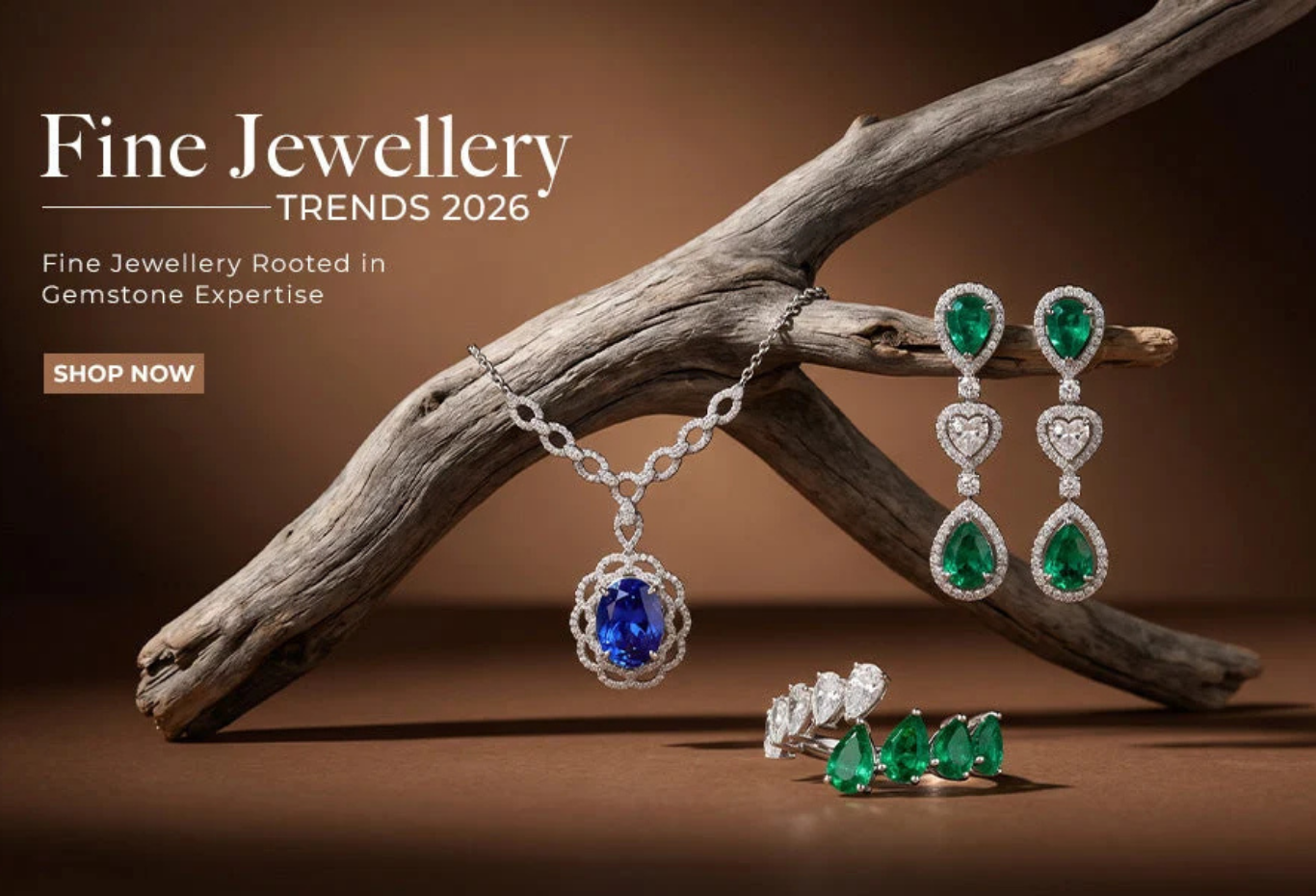
Beyond diamonds, colored gemstones like sapphires, rubies, and emeralds each have their own grading considerations, generally evaluated based on color intensity and evenness, clarity, cut quality, and carat weight. Origin can also significantly affect value for certain gemstones, with stones from specific renowned sources sometimes commanding a premium.
It's worth asking specifically whether a colored gemstone has been treated, since many gemstones undergo common treatments like heat treatment to enhance color and clarity. This isn't necessarily a red flag, as many treatments are industry-standard and disclosed practices, but it should be reflected appropriately in the price and should always be disclosed by a reputable seller.
Birthstones and Meaningful Choices
Many jewelry buyers choose gemstones based on personal significance rather than pure investment value, such as birthstones or stones associated with anniversaries. This is a perfectly valid approach to jewelry selection, and reputable jewelers can guide buyers toward well-cut, quality stones within nearly any gemstone category and budget range.
Setting Types and Their Practical Considerations
The way a gemstone is set into a piece of jewelry affects both its appearance and its practical durability for daily wear.
- Prong settings: Use small metal claws to hold a stone in place, maximizing light exposure and brilliance but leaving the stone somewhat more exposed to potential damage or loosening over time.
- Bezel settings: Surround the stone with a metal rim, offering excellent protection for the stone and making them a popular choice for active lifestyles or everyday wear pieces.
- Pave settings: Feature small stones set closely together across a surface, creating a continuous sparkle effect, though the numerous small stones and prongs require careful inspection for security over time.
- Channel settings: Set stones between two metal rails without visible prongs, offering good protection while maintaining a clean, streamlined appearance.
How to Evaluate Jewelry Quality Beyond the Materials
Craftsmanship
Examine the piece closely for even, smooth finishing, secure stone settings, and consistent detailing, particularly on any engraved or textured elements. Well-made jewelry should feel solid and substantial for its size, without sharp, unfinished edges or visible tool marks.
Clasps and Closures
For necklaces and bracelets, test the clasp mechanism before purchasing, checking that it opens and closes smoothly and securely. A weak or poorly designed clasp is one of the most common reasons for lost jewelry.
Hallmarks and Stamps
Reputable fine jewelry should include a stamp indicating metal purity, such as "925" for sterling silver or "14K" for gold. The absence of any hallmark on a piece marketed as fine jewelry can be a red flag worth investigating further before purchasing.
Where to Buy Jewelry: Weighing Your Options
Established Jewelers
Long-standing, reputable jewelers typically offer knowledgeable staff, established return policies, and often additional services like resizing, cleaning, and appraisals, which can add meaningful value beyond the piece itself.
Online Retailers
Online jewelry shopping has expanded considerably, often offering competitive pricing and detailed certification documentation for higher-value pieces. When buying significant pieces online, prioritize retailers offering clear return policies, detailed certification for gemstones, and transparent metal and stone specifications.
Estate and Vintage Jewelry
Estate and vintage pieces can offer excellent value and unique craftsmanship not always available in contemporary designs. When buying vintage or estate jewelry, having pieces independently appraised, particularly for significant gemstone purchases, provides an important layer of confidence in what you're buying.
Custom and Bespoke Jewelry
For those seeking a truly unique piece, working with a jeweler on a custom design allows control over metal choice, gemstone selection, and overall design, though this route typically involves a longer timeline and often a higher price point compared to purchasing a ready-made piece.
Budgeting for Jewelry Purchases
Jewelry spending should reflect both the significance of the piece and realistic financial priorities. For major purchases like engagement rings, many buyers find it helpful to establish a clear budget range before shopping, since the emotional nature of these purchases can sometimes lead to overspending without a predetermined limit in mind.
Consider that certification, insurance, and potential future resizing or maintenance costs should factor into your overall budget beyond the sticker price of the piece itself.
Caring for Fine Jewelry
Proper care significantly extends the life and appearance of jewelry, regardless of the specific metals or gemstones involved.
Storage
Store jewelry pieces separately, ideally in soft pouches or a lined jewelry box with individual compartments, to prevent scratching from pieces rubbing against one another. Silver jewelry benefits from anti-tarnish storage bags or strips, which help slow the natural tarnishing process.
Cleaning
Most fine jewelry benefits from gentle regular cleaning using a soft brush and mild soapy water, followed by thorough drying. Avoid harsh chemicals, including many household cleaning products, which can damage certain metals and gemstones. Ultrasonic cleaners can be effective for durable stones like diamonds but should be avoided for more delicate or fracture-prone gemstones, such as emeralds.
Removing Jewelry for Certain Activities
Removing jewelry before swimming, exercising, cleaning, or applying lotions and perfumes helps prevent damage from chemical exposure, impact, and buildup of residue that can dull a piece's appearance over time.
Professional Maintenance
Periodic professional inspections, ideally once a year for frequently worn pieces, can catch loosening settings or worn clasps before they result in a lost stone or piece entirely. Many jewelers offer complimentary inspection and cleaning services, particularly for pieces originally purchased from them.
Final Thoughts
Buying fine jewelry doesn't need to feel like navigating a foreign language once you understand the fundamentals: how metals are measured and alloyed, how gemstones are graded and valued, and what separates genuine craftsmanship from clever marketing. Whether you're shopping for a meaningful milestone piece or simply adding to a collection you'll wear for years, taking the time to understand these basics ensures your money goes toward genuine quality rather than surface-level appeal.
The most valuable piece of jewelry isn't necessarily the most expensive one on the shelf. It's the one made with quality materials and craftsmanship that will still look and feel beautiful for decades to come.