The Beginner's Guide to Buying Outdoor Gear That Actually Lasts
Walk into any outdoor retailer and you'll be met with wall-to-wall options: dozens of jackets claiming to be waterproof, backpacks in every size and configuration imaginable, and enough gadgets and accessories to fill an entire garage. For beginners, this abundance of choice often leads to one of two outcomes: overspending on gear that's more advanced than necessary, or underspending on gear that fails at the worst possible moment.
This guide cuts through the marketing noise to explain what actually matters when buying outdoor gear, how to prioritize your spending, and how to build a kit that performs reliably for years rather than needing replacement after a single season.
The Core Philosophy: Buy Once, Buy Right
Before diving into specific categories, it's worth understanding the underlying principle that separates smart outdoor gear purchases from wasted money: durability and function should almost always take priority over price alone. Cheap gear that fails mid-trip doesn't just cost you the replacement purchase later; it can compromise safety, comfort, and the overall experience of being outdoors.
This doesn't mean every purchase needs to be the most expensive option available. It means understanding which categories of gear are worth investing more in upfront, and which categories can reasonably be bought at a lower price point without meaningfully sacrificing performance.
Understanding the Layering System
For any outdoor activity involving variable weather or exertion levels, from day hikes to multi-day backpacking trips, the layering system is the foundational concept that should guide your clothing purchases.
Base Layer
The base layer sits against your skin and is primarily responsible for moisture management, wicking sweat away from your body to keep you dry and regulate temperature. Merino wool and synthetic materials like polyester are the two dominant choices, each with distinct advantages.
Merino wool naturally resists odor buildup, regulates temperature well across a range of conditions, and remains relatively warm even when damp, making it a favorite for multi-day trips where washing isn't practical. Synthetic base layers tend to dry faster and are generally more affordable and more durable against abrasion, making them a solid choice for high-intensity activities or budget-conscious buyers.
Cotton, despite being a common everyday fabric, is widely discouraged for outdoor base layers since it absorbs and retains moisture rather than wicking it away, which can lead to dangerous heat loss in cold or wet conditions.
Mid Layer
The mid layer provides insulation, trapping body heat to keep you warm. Common options include fleece, which is lightweight, breathable, and relatively inexpensive, and down or synthetic insulated jackets, which offer a higher warmth-to-weight ratio for colder conditions.
Down insulation compresses well and offers excellent warmth for its weight but loses much of its insulating ability when wet, unless treated with a hydrophobic coating. Synthetic insulation is heavier for the same warmth level but continues to insulate reasonably well even when damp, making it a more practical choice for consistently wet climates.
Outer Layer (Shell)
The outer layer protects against wind, rain, and snow. Waterproof-breathable shells, most commonly built using membrane technologies that block liquid water while still allowing water vapor from sweat to escape, are the standard for serious outdoor use.
Pay attention to two figures often listed on quality outdoor shells: waterproof rating, indicating how much water pressure the fabric can withstand before leaking, and breathability rating, indicating how effectively the fabric allows moisture vapor to escape. A shell with excellent waterproofing but poor breathability can leave you just as damp from trapped sweat as one that leaks from the outside.
Footwear: The Foundation of Outdoor Comfort
Few gear decisions matter as much as footwear, since discomfort or injury from poorly chosen footwear can end a trip faster than almost any other equipment failure.
Hiking Boots vs. Trail Runners
Traditional hiking boots offer more ankle support and durability, particularly valuable for carrying heavier loads over rough, uneven terrain. Trail running shoes, lighter and more flexible, have grown significantly in popularity for day hikes and even lighter backpacking trips, offering a more natural stride and faster-drying construction, though with less structural support for those who need it.
The right choice often depends on personal preference, terrain, and load weight rather than a universal correct answer. Hikers who have experienced ankle injuries or regularly carry heavy packs often lean toward traditional boots, while those prioritizing speed and comfort on well-maintained trails increasingly favor trail runners.
Proper Fit Matters More Than Brand
Regardless of style, proper fit is the single most important factor in footwear performance. Ill-fitting boots or shoes, even from premium brands, lead to blisters, discomfort, and potential long-term foot problems. Shopping in person when possible, trying on footwear with the actual socks you plan to wear, and shopping later in the day when feet are naturally slightly swollen from daily activity all help ensure a more accurate fit.
Breaking In New Footwear
Never wear brand-new hiking boots on a significant trip without breaking them in first. Wearing new footwear on shorter walks or errands before a big trip allows the material to conform to your foot shape and reveals any fit issues while there's still time to exchange or return the product.
Backpacks: Matching Capacity to Purpose
As covered in dedicated backpack buying guides, capacity and fit matter enormously, but for outdoor-specific gear, a few additional considerations come into play.
Load-Bearing Design
For serious hiking or backpacking, look for packs with a proper internal frame and a padded hip belt designed to transfer the majority of the pack's weight onto your hips rather than your shoulders. This single feature dramatically affects comfort over long distances, since the hip and leg muscles are far better equipped to bear sustained weight than the shoulders and upper back.
Weather Resistance
While most backpacks aren't fully waterproof, look for water-resistant fabric coatings and consider a separate rain cover for extended exposure to wet conditions, since a soaked pack interior can compromise sleeping bags, electronics, and other moisture-sensitive gear.
Weight Considerations
Every additional ounce in an empty pack adds up over the course of a long trip. Ultralight backpacking has grown into its own dedicated gear category, emphasizing minimal pack weight through streamlined designs and lighter materials, though often at a higher price point and sometimes with reduced durability or comfort features compared to traditional packs.
Sleep Systems: Sleeping Bags and Pads
Temperature Ratings
Sleeping bags are rated by temperature, indicating the lowest temperature at which the average sleeper should stay reasonably warm. It's generally wise to choose a bag rated somewhat colder than the expected conditions on your trip, since temperature ratings can vary between manufacturers and individual cold tolerance differs significantly from person to person.
Down vs. Synthetic Insulation
The same trade-offs discussed for jackets apply to sleeping bags: down offers superior warmth-to-weight ratio and compressibility but performs poorly when wet, while synthetic insulation is bulkier and heavier but maintains more of its insulating ability in damp conditions.
Sleeping Pads
Often overlooked by beginners, a quality sleeping pad serves two critical functions: cushioning against the hard ground and, more importantly for cold-weather camping, insulating your body from the ground's temperature, which draws heat away from your body far more effectively than cold air alone. Sleeping pads are rated by an R-value, indicating their insulating capability, with higher R-values needed for colder conditions.
Navigation and Safety Gear
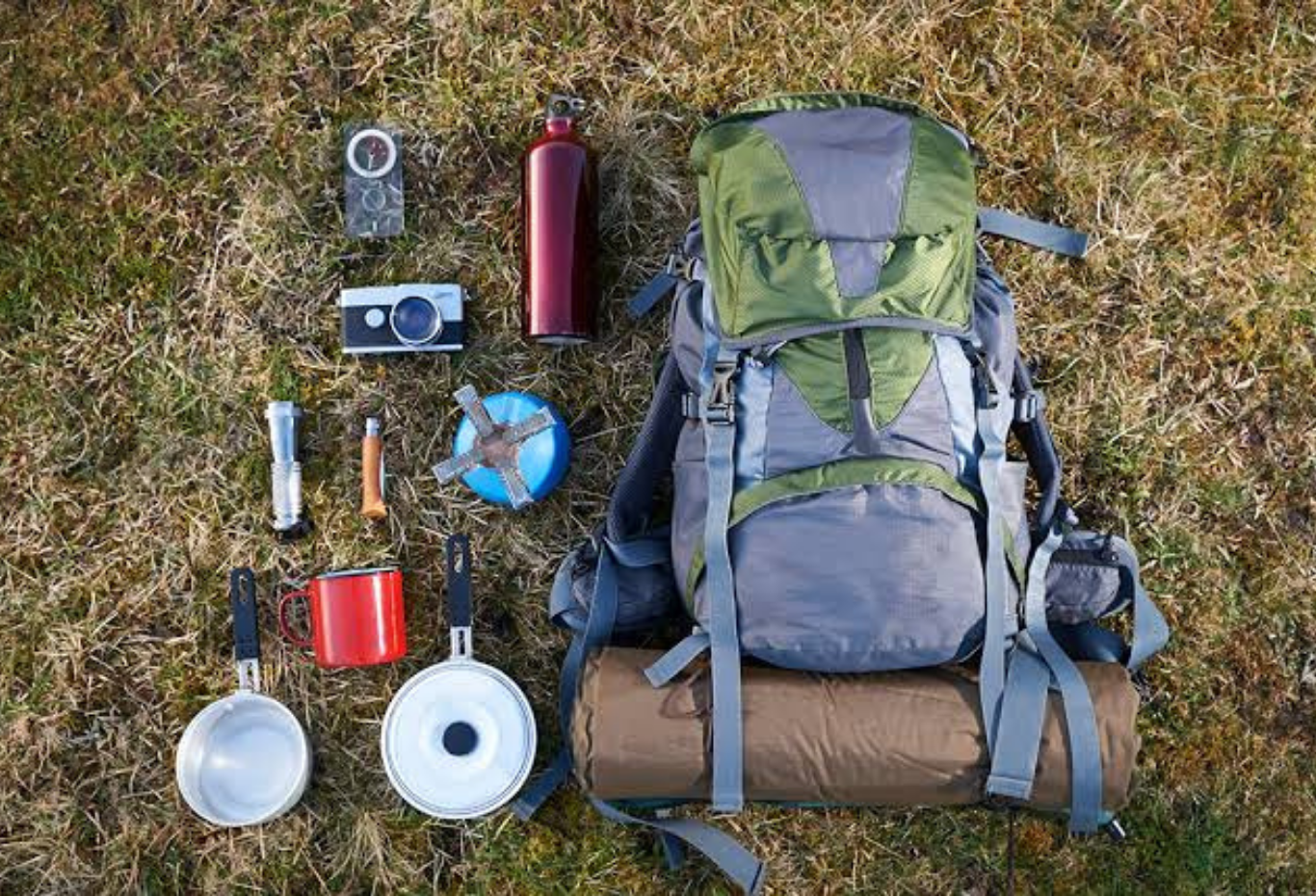
Even with the widespread availability of smartphone GPS apps, relying entirely on a phone for navigation carries risk, since batteries die, screens can be damaged, and cell service is often unreliable or nonexistent in remote areas.
Consider carrying:
- A physical map and compass, along with the basic knowledge to use them, as a reliable backup that doesn't depend on battery life
- A portable battery pack to keep essential devices charged on longer trips
- A basic first-aid kit, tailored to the length and remoteness of your trip
- A headlamp with spare batteries, since hands-free lighting is invaluable for setting up camp or navigating in low light
- An emergency communication device, such as a satellite messenger, for backpackers venturing into areas without reliable cell coverage
How to Prioritize Your Gear Budget
For beginners building a kit from scratch, spreading a limited budget too thin across every category often results in mediocre performance across the board. Instead, consider prioritizing spending in this general order:
- Footwear, since discomfort or injury here can end a trip entirely
- Sleep system, since poor sleep quality and inadequate warmth significantly affect both safety and overall enjoyment
- Outer shell layer, since staying dry and protected from wind is critical for both comfort and safety in variable weather
- Backpack, since a poorly fitted pack causes cumulative discomfort over the length of a trip
- Smaller accessories and gadgets, which, while useful, generally have a smaller impact on overall trip success than the categories above
This prioritization allows beginners to invest meaningfully in the gear that most affects safety and comfort, while deferring less critical purchases until budget allows.
Renting and Borrowing Before Buying
For those still determining which outdoor activities they genuinely enjoy, renting gear from outdoor retailers or borrowing from more experienced friends provides a low-risk way to test equipment before committing to a purchase. This is particularly valuable for expensive, specialized gear like four-season tents or technical climbing equipment, where the investment only makes sense once you're confident in your long-term interest in the activity.
Caring for Outdoor Gear to Extend Its Lifespan
Quality gear, properly maintained, can last for many years of regular use.
- Clean gear after trips, particularly footwear and packs exposed to mud, dust, or salt, since buildup can degrade materials over time.
- Re-waterproof shells periodically, since the durable water repellent coating on waterproof-breathable fabrics wears down with use and washing, requiring reapplication to maintain performance.
- Store sleeping bags uncompressed when not in use, since prolonged compression can degrade insulation loft over time, particularly for down-filled bags.
- Inspect gear before each trip, checking for worn straps, damaged zippers, or compromised waterproofing before you're relying on it in the field.
Common Beginner Mistakes in Gear Buying
Buying based on aesthetics rather than function. A jacket that looks great but lacks adequate breathability or waterproofing for your intended use will disappoint when it matters most.
Overbuying for the activity level you actually do. Not every hiker needs expedition-grade gear designed for extreme conditions. Match your gear investment to your realistic, current activity level, with room to grow as your experience and ambitions expand.
Neglecting to test gear before a big trip. Whether it's breaking in boots or testing a new tent in the backyard, unfamiliar gear should always be tested under low-stakes conditions before depending on it for a significant trip.
Ignoring proper fit in favor of brand reputation. A well-known, highly reviewed product that doesn't fit your specific body or foot shape well will underperform regardless of its general reputation.
Final Thoughts
Building a reliable outdoor gear kit doesn't require an unlimited budget or expert-level knowledge from day one. It requires understanding which categories of gear most directly affect your safety and comfort, prioritizing spending accordingly, and taking the time to properly fit and test equipment before you're relying on it far from home.
Good gear, chosen thoughtfully and cared for properly, becomes an invisible part of a great outdoor experience. Poor gear, by contrast, has a way of making itself the main story of a trip in exactly the moments you'd least want it to.