Smartphones, Essential Accessories and Smarter Buying Decisions
Mobile technology has become part of almost every area of everyday life. A smartphone can be a communication device, camera, entertainment system, navigation tool, work computer, payment device and personal organizer—all in one.
But the phone itself is only one part of the mobile experience.
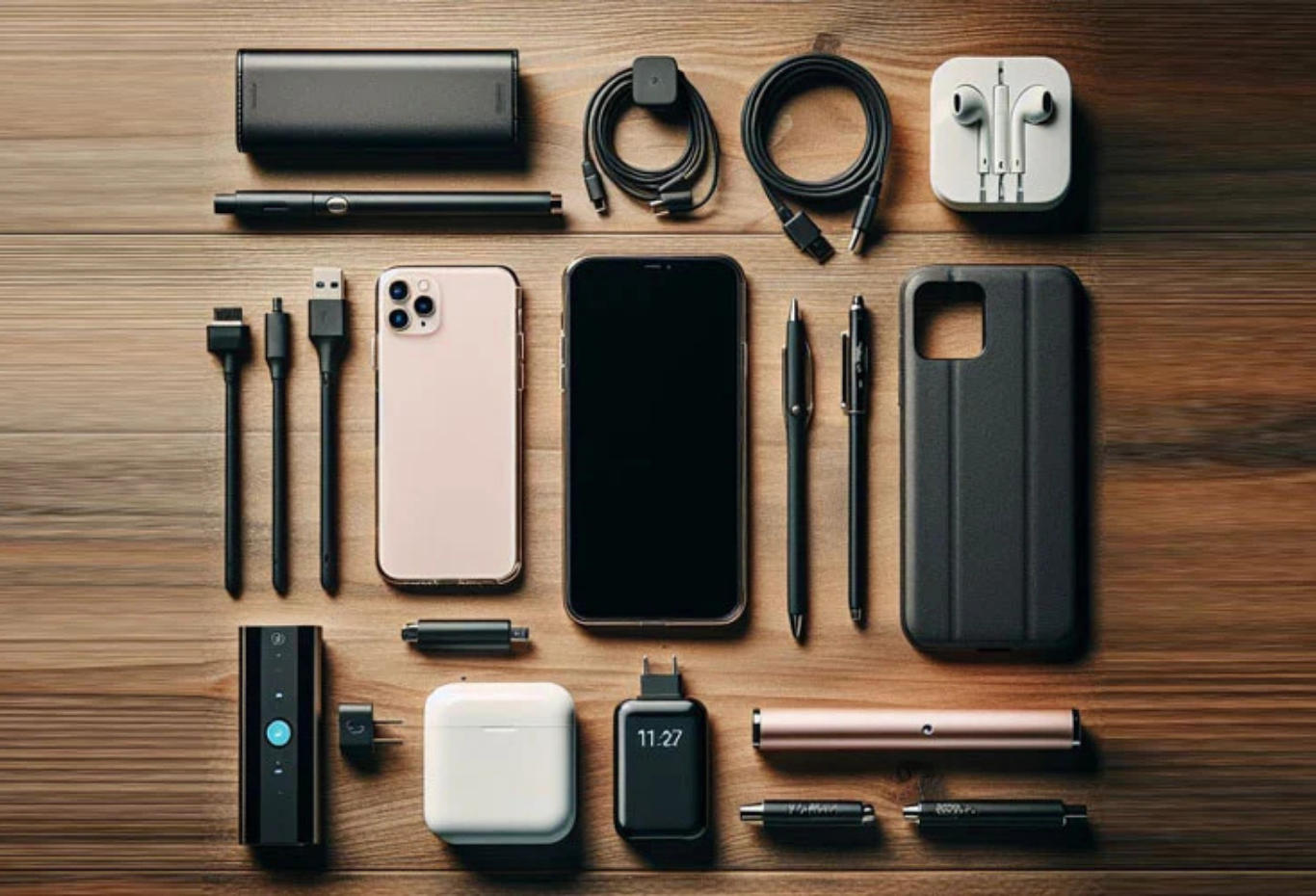
Chargers, cables, cases, screen protectors, power banks, earbuds, car mounts, stands, storage products and other accessories can change how conveniently and safely a device is used. The right combination can make a phone easier to protect, charge, carry and use.
At the same time, the huge number of available products makes purchasing more complicated. A lower-priced accessory may not provide the required compatibility or durability, while an expensive product is not automatically the best choice.
Understanding the Mobile & Accessories category helps shoppers evaluate products according to their actual needs rather than simply following specifications, trends or advertising.
What Does the Mobile & Accessories Category Include?
The category covers much more than smartphones.
It can include:
-
Smartphones
-
Mobile phone cases
-
Screen protectors
-
Chargers
-
Charging cables
-
Wireless chargers
-
Power banks
-
Car chargers
-
Wireless earbuds
-
Headphones
-
Smartwatches
-
Phone stands
-
Car mounts
-
Mobile gaming accessories
-
Storage accessories
-
Adapters
-
Hubs
-
Styluses
-
Cleaning accessories
-
Portable speakers
Some products are essential for everyday use, while others are designed for particular activities such as gaming, travel, photography or working remotely.
The best buying decision therefore starts with identifying what problem the product is supposed to solve.
Choosing a Smartphone Based on Real Use
Smartphone specifications can become overwhelming.
Processor names, camera megapixels, display refresh rates, battery capacities and storage numbers may look impressive, but specifications only become meaningful when connected to actual use.
Start by asking:
What do I use my phone for most?
Your answer should influence the features you prioritize.
For Everyday Communication
If the phone is mainly used for calls, messaging, browsing and social media, you may not need the highest-end processor or professional camera system.
A reliable device with a good display, dependable battery life, sufficient storage and smooth everyday performance may provide better value.
For Photography and Video
Camera-focused users should look beyond megapixels.
Consider:
-
Sensor quality
-
Image processing
-
Low-light performance
-
Stabilization
-
Video capabilities
-
Front camera performance
-
Lens selection
-
Camera software
A phone with fewer megapixels can sometimes provide a better overall photography experience than one that advertises a larger number.
For Gaming
Mobile gaming places greater demands on hardware.
Important considerations include:
-
Processor performance
-
Graphics capability
-
RAM
-
Display refresh rate
-
Touch response
-
Thermal management
-
Battery capacity
A powerful processor is useful, but sustained performance and heat management can be equally important during long gaming sessions.
For Work
People using smartphones for work may prioritize:
-
Reliable connectivity
-
Battery endurance
-
Large storage
-
Clear display
-
Multitasking
-
Security features
-
Good microphones and speakers
-
Compatibility with productivity applications
The ideal business phone is not necessarily the most expensive model.
How Much Storage Do You Need?
Storage affects how much content you can keep on your device.
Photos, videos, applications, games, downloaded media and documents can quickly consume available space.
Think about your usage before selecting storage.
A person who primarily uses cloud services and lightweight applications may need less local storage than someone who records large amounts of high-resolution video.
Also remember that some smartphones do not provide expandable storage.
If expandable storage is unavailable, selecting enough internal storage at the time of purchase becomes particularly important.
Understanding Smartphone Displays
The display is one of the features you interact with most.
Important characteristics include:
-
Screen size
-
Resolution
-
Panel technology
-
Brightness
-
Refresh rate
-
Touch responsiveness
-
Color reproduction
A larger screen can be useful for video, reading and productivity, while a smaller device may be easier to carry and operate with one hand.
Refresh rate can make scrolling and animations appear smoother, but it can also affect battery consumption depending on the device and usage pattern.
The best display is therefore a balance between visual quality, comfort and battery efficiency.
Battery Life Is More Than Battery Capacity
Battery capacity is usually expressed in mAh, but capacity alone does not determine how long a phone lasts.
Battery life is influenced by:
-
Display characteristics
-
Processor efficiency
-
Network connection
-
Application activity
-
Screen brightness
-
Background processes
-
Software optimization
-
User habits
Two phones with similar battery capacities can therefore deliver different real-world results.
When comparing smartphones, look for practical battery testing and user experience rather than relying solely on the capacity number.
Charging Technology and Accessories
Charging is one of the most important parts of the mobile accessory ecosystem.
A charger, cable and phone need to work together correctly.
Wired Chargers
When buying a wired charger, consider:
-
Supported charging standards
-
Power output
-
Port type
-
Number of ports
-
Manufacturer compatibility
-
Safety certifications
A charger capable of high power does not necessarily mean every connected device will charge at that maximum rate.
The phone and charger negotiate supported charging capabilities.
Charging Cables
Cables are often treated as inexpensive afterthoughts, but poor-quality cables can create reliability problems.
Consider:
-
Connector type
-
Data-transfer capability
-
Charging capability
-
Cable length
-
Build quality
-
Flexibility
-
Intended device compatibility
A cable may physically fit a device while offering different data or charging performance from what you expect.
Wireless Charging
Wireless charging can make everyday charging more convenient.
It is particularly useful on a desk, bedside table or office workspace where the phone can simply be placed on a charging pad.
However, wireless charging may generate more heat and can be less convenient when you need to actively use the phone while charging.
Choose it for convenience rather than assuming it is automatically superior to wired charging.
Power Banks for Travel and Everyday Use
A power bank can be valuable when access to electrical outlets is limited.
It can be particularly useful for:
-
Travel
-
Long commutes
-
Outdoor activities
-
Emergency backup
-
Long working days
-
Festivals and events
When comparing power banks, examine more than capacity.
Important factors include:
-
Capacity
-
Output power
-
Number of ports
-
Input charging speed
-
Size
-
Weight
-
Safety features
-
Airline/travel restrictions where applicable
A huge power bank may provide more capacity but become inconvenient to carry.
For frequent travelers, portability can be more important than maximum capacity.
Phone Cases: Protection vs Design
A phone case is one of the simplest ways to protect a smartphone from everyday damage.
But cases involve trade-offs.
A rugged case may provide stronger protection while adding thickness and weight.
A slim case may preserve the original feel of the phone while offering less protection against serious drops.
Consider your environment.
Someone working outdoors or frequently handling a phone in demanding conditions may benefit from stronger protection. Someone primarily using a phone at home or in an office may prefer a slimmer design.
Choosing a Screen Protector
Screen protectors are designed to add another protective layer to the display.
Common options include:
-
Tempered glass
-
Film protectors
-
Flexible protective materials
-
Privacy-oriented protectors
Look for compatibility with the exact phone model.
A poorly fitted protector can interfere with touch sensitivity, front cameras, cases or fingerprint systems.
Protection should improve the overall experience rather than create new problems.
Wireless Earbuds and Headphones
Audio accessories have become a major part of the mobile category.
Wireless earbuds are convenient because they are compact and easy to carry, while larger headphones can provide longer battery life, stronger isolation or a different listening experience.
When comparing wireless audio products, consider:
-
Sound quality
-
Comfort
-
Battery life
-
Microphone quality
-
Noise cancellation
-
Connection stability
-
Controls
-
Device compatibility
-
Charging case design
Comfort is especially important because even excellent-sounding earbuds can become frustrating if they do not fit properly.
Noise Cancellation: When Does It Matter?
Active noise cancellation can reduce certain surrounding sounds, making listening more comfortable in noisy environments.
It can be particularly useful for:
-
Air travel
-
Public transportation
-
Offices
-
Cafes
-
Busy streets
However, noise cancellation should not be treated as the only measure of audio quality.
Fit, sound tuning, microphone quality and connection stability still matter.
Mobile Accessories for Cars
Using a smartphone in a vehicle can require different accessories.
Common options include:
-
Car mounts
-
Car chargers
-
Wireless charging mounts
-
Bluetooth adapters
-
Audio accessories
A good car mount should keep the phone secure without unnecessarily blocking visibility or interfering with vehicle controls.
The accessory should also be positioned so that it does not create an avoidable driving distraction.
Mobile Accessories for Travel
Travel often changes what you need from your mobile setup.
A traveler might need:
-
Compact charger
-
Durable charging cable
-
Power bank
-
Earbuds
-
Phone case
-
Travel adapter
-
Car mount
-
Portable stand
Instead of carrying every available accessory, build a compact travel kit around your actual journey.
A lightweight setup can be more convenient than a bag full of gadgets.
Mobile Gaming Accessories
Mobile gaming has created its own accessory market.
Products can include:
-
Game controllers
-
Cooling accessories
-
Gaming triggers
-
Phone stands
-
Gaming headsets
-
Portable chargers
Before purchasing a gaming accessory, verify compatibility with your device and games.
An accessory that works with one operating system or gaming platform may not provide the same functionality with another.
Smartwatches and Wearable Accessories
Smartwatches extend some smartphone functions to the wrist.
Depending on the device, they may support:
-
Notifications
-
Calls
-
Messaging
-
Music controls
-
Navigation
-
Fitness features
-
Apps
-
Payments
Compatibility is important.
Some watches work across multiple mobile platforms, while others are designed primarily for a particular ecosystem.
If you already use several devices from one ecosystem, staying within that ecosystem may provide a smoother experience.
Compatibility Is One of the Most Important Buying Factors
One of the easiest ways to waste money on mobile accessories is to ignore compatibility.
Before purchasing, check:
-
Exact phone model
-
Operating system
-
Connector type
-
Charging standard
-
Wireless compatibility
-
Required applications
-
Bluetooth support
-
Case compatibility
-
Accessory dimensions
Do not assume that products from the same brand will automatically work together.
Always verify the specifications for the exact model.
Original vs Third-Party Accessories
Official accessories can provide strong compatibility and predictable support, but they are not always the only viable option.
Third-party manufacturers can offer:
-
Lower prices
-
More designs
-
Additional features
-
More port configurations
-
Different sizes
-
Alternative materials
The important issue is quality.
When considering third-party accessories, investigate the manufacturer's reputation, product specifications, warranty and safety information.
Price should not be the only comparison point.
How to Shop for Mobile Accessories Online
Online marketplaces provide enormous choice, but product listings can sometimes make comparison difficult.
Before purchasing, inspect:
Product Specifications
Read the technical information rather than relying only on promotional headlines.
Compatibility
Confirm that the accessory supports your exact device.
Reviews
Look for reviews discussing actual use rather than comments focused only on delivery or packaging.
Seller Information
Understand who is selling the product and whether the seller provides support or returns.
Warranty and Returns
Expensive accessories should have clear warranty and return information.
Product Images
Images can help identify ports, dimensions and physical design, but specifications should still be verified separately.
Why Reviews Should Not Be Your Only Source
Reviews are useful, but they can be incomplete.
One person may love a product because it solves their specific problem, while another may dislike it because they have different requirements.
Instead of asking:
“Is this product good?”
Ask:
“Is this product good for the way I will use it?”
This small change can make online research much more useful.
Protecting Your Mobile Investment
A smartphone can represent a significant purchase, so protecting it makes financial sense.
A simple protection strategy can include:
-
A suitable phone case
-
A quality screen protector
-
Reliable charging equipment
-
Safe storage
-
Regular software updates
-
Careful handling
-
Backups of important data
Physical protection and digital protection should be considered together.
A phone that survives a fall but loses important information is still a serious problem.
Mobile Security Matters Too
Mobile technology is not only about hardware.
Security should also be part of the buying and ownership decision.
Useful practices include:
-
Keep software updated
-
Use strong authentication
-
Install applications from trustworthy sources
-
Review application permissions
-
Avoid suspicious links
-
Use secure networks when appropriate
-
Maintain backups
Accessories such as unknown charging equipment can also introduce safety concerns, so reliability matters when selecting electrical products.
When Should You Upgrade Your Smartphone?
New smartphone models appear frequently, but upgrading every time a new model arrives is not necessarily worthwhile.
Consider upgrading when:
-
Your current phone no longer performs adequately
-
Battery performance has become problematic
-
Storage is consistently insufficient
-
Software support is ending
-
Your camera requirements have changed
-
Repairs are no longer economical
-
New features provide a genuine benefit
If your current phone still performs well and meets your needs, keeping it longer may be the better financial decision.
Repair, Replace or Upgrade?
When something goes wrong, compare the options.
Repair
Repair may make sense when the problem is relatively small and the device remains suitable for your needs.
Replace
Replacement may make more sense when the phone has several problems or repair costs approach the value of the device.
Upgrade
Upgrade when newer technology provides a meaningful improvement that you will actually use.
The best choice depends on the condition of the current device, repair costs, expected lifespan and your requirements.
Building a Practical Mobile Setup
You do not need dozens of accessories.
A practical setup might consist of:
Core device: Smartphone
Protection: Case + screen protector
Power: Reliable charger + cable
Backup power: Power bank
Audio: Earbuds or headphones
Travel: Compact charging setup + suitable mount or adapter when needed
From there, add accessories only when they solve a genuine problem.
This approach can reduce clutter and unnecessary spending.
Common Mobile & Accessories Buying Mistakes
Buying Based Only on Price
The cheapest accessory may have poor durability or limited compatibility.
Buying Based Only on Brand
A well-known brand can still have products that are unsuitable for your needs.
Ignoring Compatibility
Physical connection does not always mean full functionality.
Buying Too Many Accessories
More accessories do not necessarily create a better setup.
Ignoring Portability
Large chargers and power banks can become inconvenient during travel.
Choosing Specifications Without Understanding Them
A larger number does not automatically translate into a better real-world experience.
Forgetting Long-Term Use
Consider durability, warranty, software support and replacement costs before purchasing.
A Smarter Way to Compare Mobile Products
When comparing two smartphones or accessories, create a simple checklist.
Performance
Does it provide enough performance for your applications and activities?
Compatibility
Will it work correctly with your existing devices?
Convenience
Will it make everyday use easier?
Durability
Can it handle your normal environment?
Power
Does it meet your charging or battery requirements?
Portability
Is it practical to carry?
Value
Does the benefit justify the total cost?
This method is more useful than simply selecting the product with the longest feature list.
The Future of Mobile Technology
Mobile technology continues to develop around faster connectivity, improved processing, better cameras, more efficient batteries, AI-powered features, flexible hardware and increasingly connected ecosystems.
Accessories are evolving alongside smartphones.
Charging technology is becoming more capable, wireless devices are becoming more integrated, and mobile products increasingly communicate with other devices around the home, car and workplace.
The most useful developments will not necessarily be the products with the most features. The real benefit will come from technology that makes everyday tasks easier, faster or more convenient.
Final Thoughts
The Mobile & Accessories category covers an enormous range of products, but choosing well does not have to be complicated.
Start with your actual needs.
When choosing a smartphone, think about performance, battery life, camera capabilities, storage, display and software support. When choosing accessories, focus heavily on compatibility, reliability, safety, durability and convenience.
Do not assume that the most expensive product is automatically the best. Likewise, do not choose solely because something is cheap or popular.
A good mobile setup is one where every component has a purpose.
The right phone paired with reliable accessories can provide a better everyday experience, protect your investment and reduce unnecessary purchases. Whether you are building your first smartphone setup, replacing an older device, preparing for travel or upgrading individual accessories, informed decisions will usually provide more value than simply following the newest trend.