
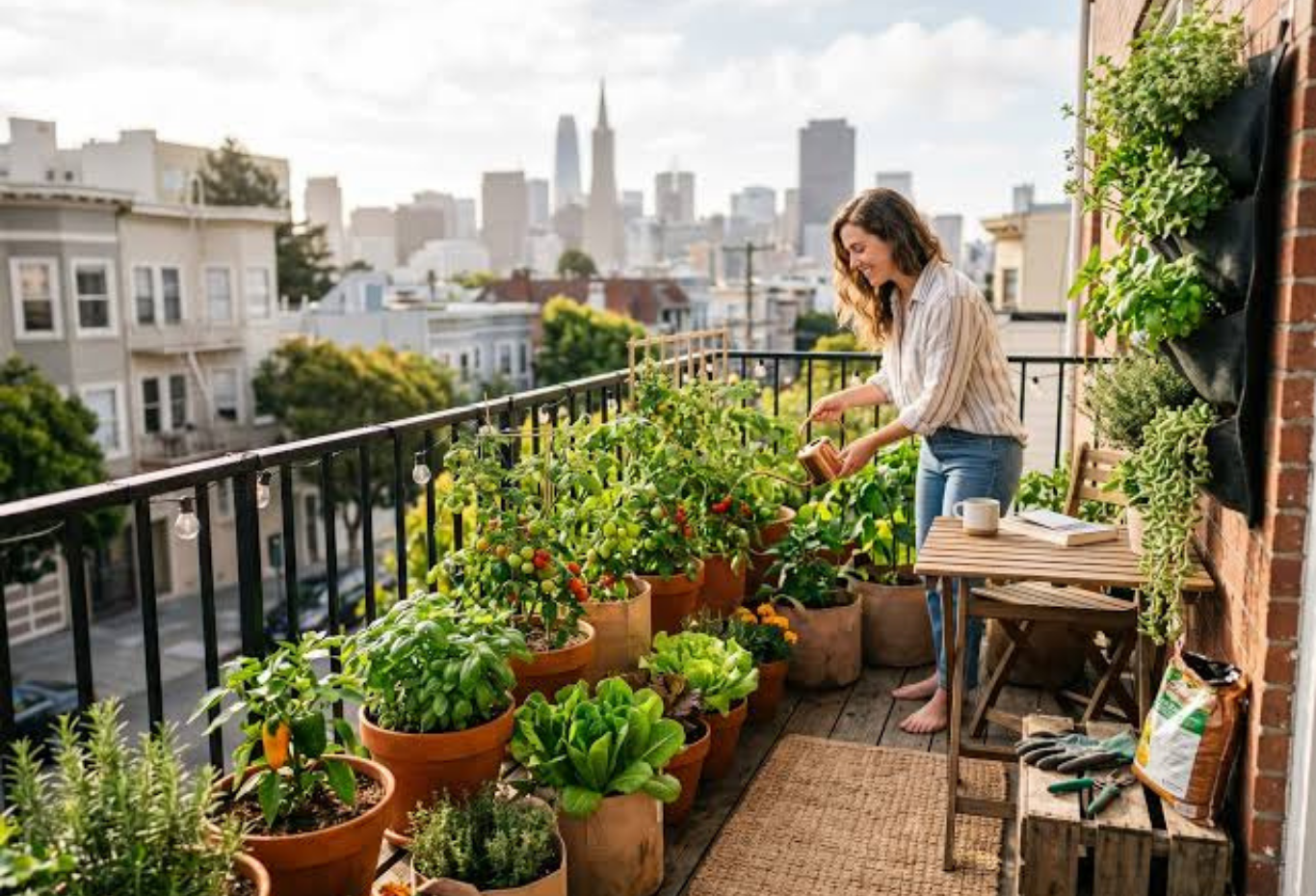
Small-Space Gardening in 2026: The Complete Guide to Balcony and Patio Gardens
Not having a backyard used to mean giving up on gardening altogether. That's no longer the case. With the right containers, a thoughtful layout, and a bit of planning, even a narrow apartment balcony or a small concrete patio can become a productive, beautiful garden space. Urban gardening has grown steadily in popularity over the past several years, driven by interest in fresh, homegrown produce, a desire to reconnect with nature in dense city environments, and the simple joy of watching something grow under your care.
This guide covers everything you need to get started, from choosing the right containers to selecting plants that thrive in compact spaces, along with practical tips for maximizing every inch of growing area you have.
Assessing Your Space Before You Start
Before buying a single plant or pot, take time to understand the specific conditions of your growing space. This step is often skipped by eager beginners, but it prevents wasted money and disappointment down the line.
Sunlight Exposure
Track how much direct sunlight your balcony or patio receives throughout the day, ideally over the course of a full week, since sun exposure can shift with the seasons. Generally:
- Full sun (6+ hours of direct sunlight): Suitable for most vegetables, herbs, and flowering plants
- Partial sun/shade (3-6 hours): Good for leafy greens, many herbs, and shade-tolerant flowering plants
- Full shade (less than 3 hours): Limits options considerably, but ferns, certain begonias, and some shade-loving foliage plants can still thrive
Wind Exposure
Balconies, particularly those on higher floors, often experience significantly more wind than ground-level gardens. Strong, consistent wind can dry out soil quickly and damage taller or more delicate plants. Consider windbreaks like trellises, screens, or strategically placed taller plants to protect more vulnerable specimens.
Weight Restrictions
This is an often-overlooked but genuinely important consideration for balcony gardens. Soil-filled containers, especially larger ones, can be surprisingly heavy once watered. Check with your building management or landlord about weight restrictions, and consider lightweight container materials if you're working with a weight-sensitive structure.
Water Access
Consider how you'll water your plants consistently. If your space is far from an indoor water source, a lightweight hose attachment or a collection of watering cans staged nearby can make daily maintenance far less of a chore.
Choosing the Right Containers
Container choice affects not just aesthetics but plant health, since container material, size, and drainage all influence root development and moisture retention.
Material Options
- Terracotta: Attractive and breathable, allowing excess moisture to evaporate through the porous walls, which helps prevent root rot but also means more frequent watering.
- Plastic: Lightweight and retains moisture longer than terracotta, making it a practical choice for balconies with weight restrictions or for gardeners who can't water daily.
- Fabric grow bags: Increasingly popular for their excellent drainage and breathability, which promotes healthy root development, while also being lightweight and easy to store when not in use.
- Self-watering containers: Feature a built-in water reservoir that plants draw from as needed, an excellent option for busy schedules or frequent travelers.
Sizing Considerations
Match container size to what you're growing. Shallow-rooted herbs like basil and cilantro can thrive in smaller pots, while deeper-rooted vegetables like tomatoes or peppers need considerably more room, generally at least a 5-gallon container, to develop properly and produce a good yield.
Drainage Is Non-Negotiable
Every container needs adequate drainage holes to prevent waterlogged soil, which leads to root rot, one of the most common causes of container plant failure. If you fall in love with a decorative pot that lacks drainage, use it as an outer decorative sleeve around a properly draining nursery pot instead of planting directly into it.
Best Plants for Small Spaces
Herbs
Herbs are often the ideal starting point for small-space gardeners, since most require minimal space, tolerate container life well, and provide an immediate, practical reward in the kitchen.
- Basil: Thrives in full sun and consistent moisture, and regular harvesting encourages bushier growth.
- Mint: Grows vigorously, almost aggressively, making it a great candidate for a dedicated container where it won't overtake neighboring plants.
- Chives: Low-maintenance and tolerant of partial shade, with the bonus of attractive purple flowers.
- Rosemary and thyme: Both prefer well-draining soil and less frequent watering, making them forgiving choices for beginners.
Vegetables
- Cherry tomatoes: More compact and productive in containers than larger tomato varieties, and generally more forgiving for beginners.
- Peppers: Both sweet and hot varieties adapt well to container life and appreciate warm, sunny conditions.
- Lettuce and leafy greens: Shallow-rooted and fast-growing, making them ideal for gardeners who want quicker results.
- Radishes: Among the fastest vegetables to mature, often ready for harvest within a month, which makes them a satisfying choice for impatient beginners.
Flowers
- Petunias: Reliable bloomers that tolerate a range of conditions and provide continuous color throughout the growing season.
- Marigolds: Beyond their bright color, marigolds are often planted alongside vegetables since they're believed to help deter certain garden pests.
- Geraniums: Drought-tolerant and long-blooming, making them a low-maintenance choice for sunnier spots.
Maximizing Vertical Space
When floor space is limited, growing upward becomes essential to maximizing your garden's overall productivity and visual appeal.
Trellises and Climbing Supports
Vining plants like cucumbers, certain bean varieties, and some flowering vines can be trained to grow vertically along a trellis, freeing up valuable floor or railing space while adding visual interest at eye level and above.
Wall-Mounted and Hanging Planters
Vertical planter systems, whether wall-mounted pockets, tiered shelving units, or simple hanging baskets, allow you to significantly increase your growing area without expanding your footprint. These systems work particularly well for shallow-rooted herbs and trailing flowers.
Railing Planters
For balconies specifically, railing-mounted planter boxes make efficient use of otherwise unused space along the perimeter, and many modern designs include secure clamping systems suitable for a range of railing widths.
Soil and Fertilizing for Container Gardens
Container plants rely entirely on the soil you provide, unlike in-ground gardens where roots can extend into surrounding earth to access additional nutrients. This makes soil quality and ongoing fertilization especially important.
Choosing Potting Mix
Use a quality potting mix specifically designed for containers rather than garden soil, which tends to compact too densely in pots and drains poorly. Many container mixes include perlite or vermiculite to improve aeration and drainage.
Fertilizing Routine
Because nutrients in container soil deplete faster than in-ground gardens due to more frequent watering washing them out, regular fertilizing is important for sustained plant health. A balanced, slow-release fertilizer incorporated at planting time, supplemented with a diluted liquid fertilizer every few weeks during active growing season, generally supports healthy growth for most container plants.
Watering Best Practices
Container plants generally require more frequent watering than in-ground plants, since they have limited soil volume to retain moisture and are more exposed to drying wind and sun.
- Check soil moisture by inserting a finger about an inch into the soil; if it's dry at that depth, it's time to water.
- Water thoroughly until it drains from the bottom of the container, rather than light, frequent sprinkling, which encourages shallow root growth.
- Water in the early morning when possible, reducing evaporation loss and giving plants moisture before the heat of the day.
- Consider drip irrigation systems or self-watering containers if you travel frequently or struggle with consistency.
Dealing with Common Small-Space Garden Challenges
Pests
Container gardens aren't immune to pests, and in fact, some pests thrive in the warm, sheltered conditions of balconies and patios. Regularly inspect leaves, particularly undersides, for early signs of aphids, spider mites, or other common pests. Introducing beneficial companion plants like marigolds, along with insecticidal soap for early intervention, can help manage most minor infestations without resorting to harsher chemical treatments.
Limited Pollinator Access
Balconies and patios, particularly those several floors up, sometimes see fewer natural pollinators than ground-level gardens. For fruiting plants like tomatoes, hand-pollination using a small brush to transfer pollen between flowers can help ensure a good harvest when natural pollination is limited.
Temperature Extremes
Containers heat up and cool down faster than in-ground soil, exposing roots to more extreme temperature swings. Grouping containers together, using larger pots when possible, and adding mulch to the soil surface can help moderate these fluctuations.
Seasonal Planning for Small-Space Gardens
Unlike sprawling in-ground gardens, small-space container gardens offer the flexibility to easily rearrange, rotate, or replace plants as seasons change. Consider:
- Swapping cool-season plants like lettuce and pansies for heat-loving summer varieties as temperatures rise
- Moving containers to track shifting sunlight patterns throughout the year
- Bringing tender perennials indoors before the first frost if you're in a climate with cold winters
- Using the off-season to refresh potting soil and clean containers before the next growing season begins
Final Thoughts
A small space doesn't have to mean a small garden experience. With thoughtful container choices, smart use of vertical space, and plant selections suited to your specific light and space conditions, even the tiniest balcony can produce fresh herbs for your kitchen, cheerful blooms for your view, and the genuine satisfaction that comes from growing something with your own hands.
Start small, pay attention to how your specific space behaves through the seasons, and expand gradually as you learn what thrives in your unique environment. Every thriving container garden started with someone willing to try, even without a backyard in sight.