
Skin Barrier Repair: The Complete 2026 Guide to Fixing Sensitive, Irritated Skin
If you've noticed your skin suddenly stinging when you apply products you've used for years, feeling perpetually tight and dry no matter how much moisturizer you layer on, or breaking out in small, unexplained bumps, you may be dealing with a compromised skin barrier. It's one of the most talked-about topics in the skincare world right now, and for good reason: barrier damage is often the root cause behind a huge range of skin complaints that people mistakenly try to treat with more active ingredients rather than less.
This guide explains exactly what the skin barrier is, what damages it, how to recognize the warning signs, and the step-by-step process for repairing it.
What Is the Skin Barrier?
The skin barrier, also known as the stratum corneum, is the outermost layer of your skin. Think of it as a brick wall: skin cells act as the bricks, and a mixture of lipids, including ceramides, cholesterol, and fatty acids, act as the mortar holding everything together.
This barrier serves two critical functions. First, it keeps water inside your skin, preventing excessive moisture loss that leads to dryness and dehydration. Second, it keeps irritants, allergens, pollutants, and harmful bacteria out, acting as your skin's first line of defense against the outside world.
When this barrier is healthy and intact, skin generally looks plump, feels comfortable, and tolerates a reasonable range of products and environmental exposure. When it's damaged, that protective wall develops gaps, allowing moisture to escape and irritants to penetrate more easily.
Signs Your Skin Barrier Is Damaged
Barrier damage can show up differently depending on your skin type, but common signs include:
- Persistent dryness or flakiness that doesn't improve with regular moisturizing
- A tight, uncomfortable feeling, especially after cleansing
- Increased sensitivity to products you previously used without issue
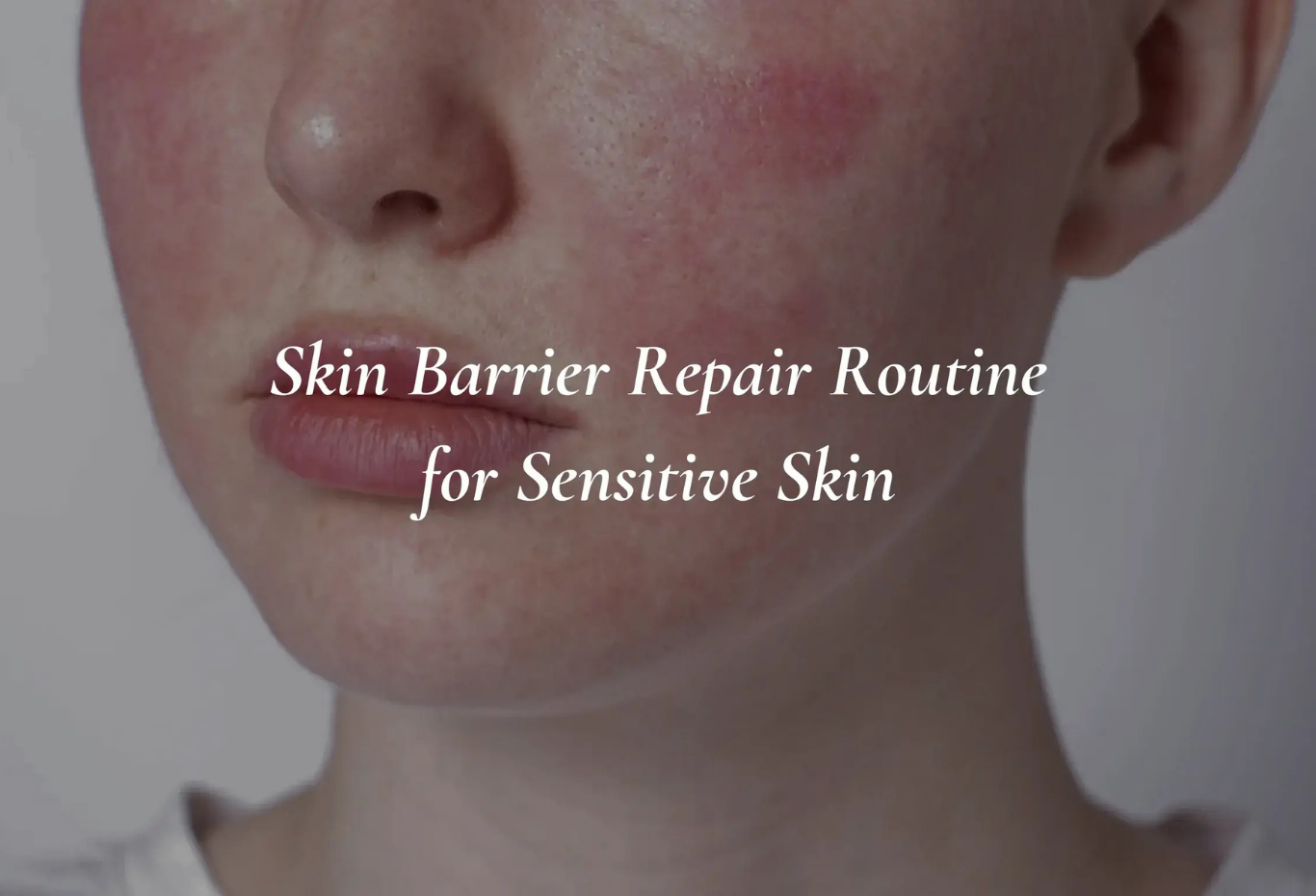
- Redness or a flushed appearance, particularly across the cheeks
- Stinging or burning when applying skincare, even gentle formulas
- Rough or bumpy texture that doesn't resolve with typical exfoliation
- Breakouts that don't respond to your usual acne treatments, sometimes because the skin is inflamed rather than purely congested
If several of these symptoms sound familiar, especially if they've appeared somewhat suddenly, your barrier is likely asking for a break from your current routine.
What Damages the Skin Barrier?
Understanding the causes helps prevent repeat damage once you've repaired your skin. Common culprits include:
Over-Exfoliation
This is one of the most frequent causes of barrier damage in recent years, as the popularity of acids like glycolic, salicylic, and lactic acid has led many people to use multiple exfoliating products simultaneously or far too frequently. Over-exfoliation strips away the very lipids your barrier relies on to stay intact.
Harsh Cleansers
Foaming cleansers with high pH levels or strong surfactants can strip natural oils from the skin, disrupting the barrier's lipid composition over time. This is particularly common with cleansers marketed for "deep cleaning" oily or acne-prone skin.
Excessive Use of Active Ingredients
Retinoids, vitamin C, and other potent actives are effective for many skin concerns, but layering too many at once, or introducing them too quickly, can overwhelm the skin before it has a chance to build tolerance.
Environmental Factors
Cold, dry air; excessive sun exposure; pollution; and hard water can all contribute to barrier stress, particularly in combination with an already compromised routine.
Hot Water
Long, hot showers or washing your face with very hot water feels comforting but can strip protective oils from the skin more aggressively than lukewarm water.
Under-Moisturizing
Skipping moisturizer, especially after using actives or exfoliants, leaves the skin without the support it needs to maintain hydration and repair itself overnight.
How to Repair Your Skin Barrier: A Step-by-Step Approach
Step 1: Simplify Your Routine Immediately
The first and most important step is what many dermatologists call "skincare minimalism" or a "skin fast." Pause all active ingredients, including retinoids, exfoliating acids, and vitamin C serums, and strip your routine down to the essentials: a gentle cleanser, a barrier-supporting moisturizer, and sunscreen during the day.
This simplification period typically lasts anywhere from a few days to a few weeks, depending on the severity of the damage, and gives your skin the space it needs to rebuild without additional stressors.
Step 2: Switch to a Gentle, Low-pH Cleanser
Look for cleansers labeled as sulfate-free, fragrance-free, and formulated for sensitive skin. Cream or gel cleansers tend to be gentler than foaming formulas. Ideally, choose a cleanser with a pH close to your skin's natural acidity, generally between 4.5 and 5.5, since overly alkaline cleansers disrupt the skin's protective acid mantle.
Step 3: Load Up on Barrier-Repairing Ingredients
Certain ingredients are specifically known to support and rebuild the skin barrier:
- Ceramides: These lipids are a core structural component of the barrier itself, and topical application helps replenish what's been lost.
- Cholesterol and fatty acids: Often paired with ceramides in barrier-repair formulations, these work together to restore the skin's natural lipid ratio.
- Hyaluronic acid: While not a barrier-repair ingredient itself, it helps draw moisture into the skin, supporting overall hydration during the healing process.
- Niacinamide: Known for calming inflammation and supporting barrier function, though it's worth introducing gradually since some sensitive skin types find it irritating at higher concentrations during active barrier damage.
- Centella asiatica (cica): A popular ingredient in Korean skincare known for its soothing and healing properties, often recommended for compromised or reactive skin.
- Squalane: A lightweight, non-comedogenic oil that closely mimics the skin's natural sebum, helping to seal in moisture without feeling heavy.
Step 4: Moisturize More Than You Think You Need To
During barrier repair, it's common to need richer, more occlusive moisturizers than your skin normally requires. Look for formulas containing occlusive ingredients like petrolatum, dimethicone, or shea butter, which create a protective seal over the skin to lock in moisture while the barrier heals underneath.
Applying moisturizer to slightly damp skin, immediately after cleansing, can also help lock in additional hydration.
Step 5: Don't Skip Sunscreen
A damaged barrier is more vulnerable to UV damage, and sun exposure can further delay the healing process. Choose a gentle, mineral-based sunscreen if your skin is particularly reactive, since chemical sunscreens can sometimes sting compromised skin.
Step 6: Reintroduce Actives Slowly
Once your skin has calmed down, typically indicated by reduced redness, less sensitivity, and a return to normal texture, reintroduce active ingredients one at a time, waiting at least a week between each addition. This allows you to identify exactly which product, if any, causes a reaction, and prevents overwhelming your skin all at once.
Start with lower concentrations and less frequent application than you were using before, gradually building back up as your skin's tolerance improves.
Lifestyle Factors That Support Barrier Health
Skincare products are only part of the equation. Several lifestyle factors play a meaningful role in barrier health as well.
Hydration and diet. Adequate water intake and a diet rich in healthy fats, such as omega-3 fatty acids found in fish, walnuts, and flaxseed, support the skin's lipid production from the inside out.
Sleep quality. Skin repair processes are most active during sleep, and chronic sleep deprivation has been associated with slower recovery and increased signs of stress in the skin.
Stress management. Elevated stress hormones can increase inflammation throughout the body, including the skin, potentially slowing barrier recovery.
Humidity control. Using a humidifier in dry indoor environments, particularly during winter months or in air-conditioned spaces, helps prevent environmental moisture loss from the skin.
How Long Does Skin Barrier Repair Take?
Recovery timelines vary significantly depending on the severity of the damage and how quickly you adjust your routine. Mild barrier disruption might improve within a few days of simplifying your routine, while more significant damage from prolonged over-exfoliation or harsh product use can take several weeks to fully resolve.
Patience is essential during this process. It can be tempting to add more products in an attempt to speed up healing, but this often backfires by reintroducing the very stressors that caused the damage in the first place.
When to See a Dermatologist
While many cases of barrier damage can be managed with the at-home approach outlined above, it's worth consulting a dermatologist if:
- Symptoms persist for more than a few weeks despite simplifying your routine
- You notice signs of infection, such as pus-filled bumps, increasing warmth, or spreading redness
- Your skin develops a rash-like appearance that doesn't correspond to a clear cause
- Over-the-counter barrier repair products don't provide noticeable improvement
A dermatologist can rule out underlying conditions such as eczema, rosacea, or contact dermatitis, which can present similarly to simple barrier damage but may require targeted medical treatment.
Preventing Future Barrier Damage
Once your skin has recovered, a few ongoing habits can help prevent repeat damage:
- Introduce new products one at a time, giving your skin at least a week to adjust before adding another
- Avoid combining multiple strong actives, such as retinoids and exfoliating acids, in the same routine without professional guidance
- Pay attention to how your skin responds to seasonal changes, and adjust your routine's richness accordingly
- Choose fragrance-free formulas if you have a history of sensitivity, since fragrance is one of the most common causes of skin irritation
Final Thoughts
A healthy skin barrier is the foundation of every other skincare goal, from clear skin to an even tone to a natural glow. When it's compromised, no amount of serums or treatments will deliver the results you're looking for until that foundation is repaired. By simplifying your routine, choosing barrier-supportive ingredients, and reintroducing actives slowly and mindfully, you give your skin the best possible chance to heal and thrive.
The most effective skincare routine isn't necessarily the one with the most steps or the priciest products — it's the one that respects what your skin can actually handle at any given time.