
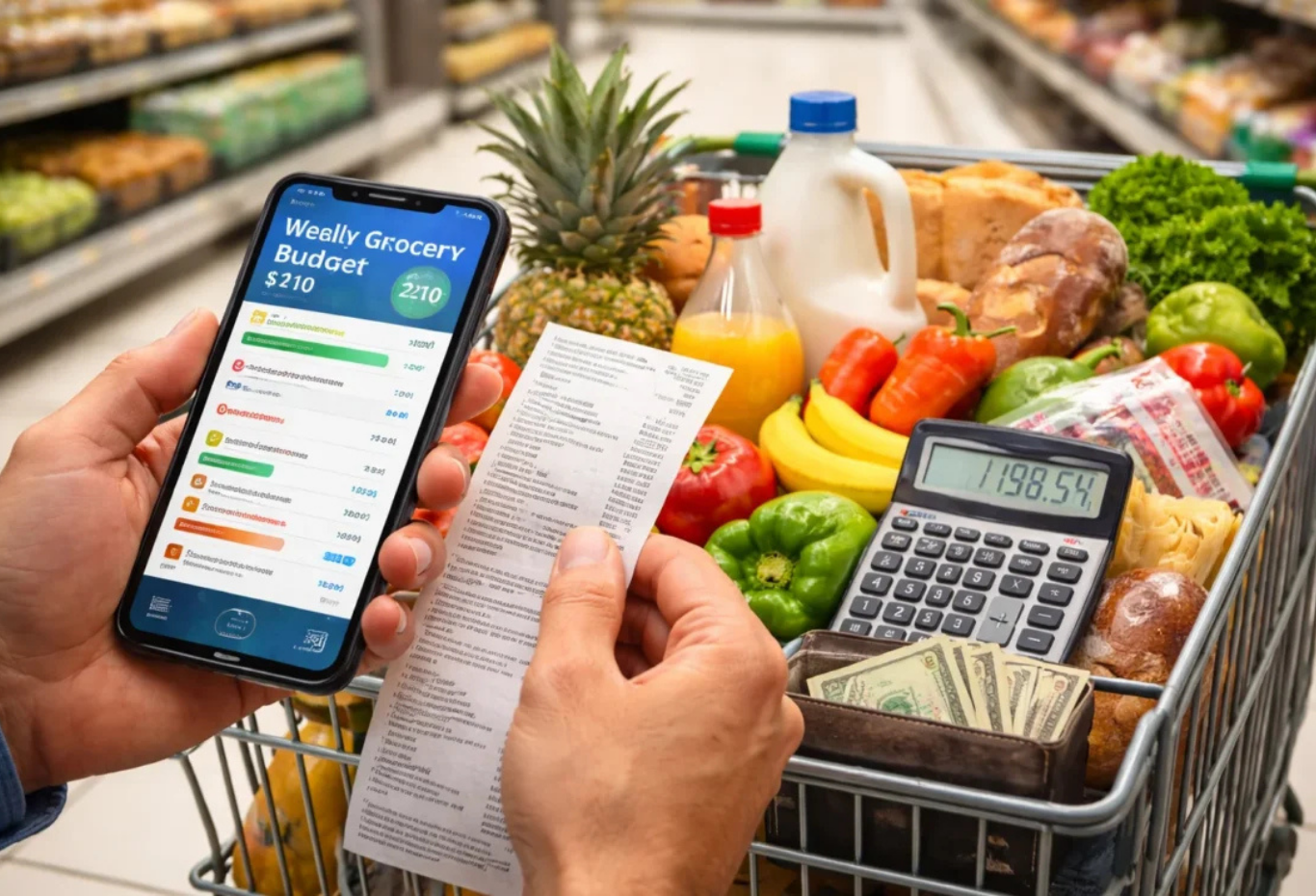
How to Cut Your Grocery Bill in 2026 Without Sacrificing Quality
Grocery bills have climbed noticeably over the past several years, leaving many households searching for ways to reduce food spending without resorting to bland, repetitive meals or skipping fresh produce altogether. The good news is that meaningful grocery savings rarely require dramatic sacrifice. They come from a handful of consistent, practical habits that, once established, become second nature rather than a constant source of stress.
This guide breaks down the strategies that actually move the needle on grocery spending, from planning and shopping habits to storage and waste reduction, all without compromising on nutrition or enjoyment.
Start With a Realistic Meal Plan
Meal planning remains one of the single most effective tools for controlling grocery spending, primarily because it prevents the two biggest budget killers: impulse purchases and food waste from ingredients bought without a clear purpose.
Plan Around What's Already in Your Kitchen
Before building a shopping list, take stock of what you already have on hand, particularly perishables nearing their expiration date. Building even one or two meals around existing ingredients reduces both waste and unnecessary spending on duplicate items.
Build Meals Around Sales and Seasonal Produce
Rather than deciding on specific meals first and then shopping for whatever they require, flip the process: check store sales flyers and seasonal produce availability first, then plan meals around what's discounted or in season. Seasonal produce is typically both cheaper and higher quality than off-season alternatives shipped from distant growing regions.
Repeat Ingredients Across Multiple Meals
Choosing recipes that share common ingredients, such as a bag of rice used across three different meals in a week, reduces the total number of unique items you need to purchase and helps use up ingredients before they spoil.
Smarter Shopping Habits
Shop With a List and Stick to It
This sounds obvious, but the discipline of shopping strictly from a pre-written list, rather than browsing aisles and adding items on impulse, consistently produces measurable savings. Studies on consumer behavior have repeatedly shown that unplanned purchases make up a significant portion of total grocery spending for the average shopper.
Avoid Shopping While Hungry
Shopping on an empty stomach reliably increases impulse purchases, particularly of convenience foods and snacks that aren't part of your planned meals. Eating something before heading to the store, even a small snack, measurably reduces this tendency.
Compare Unit Prices, Not Package Prices
Larger packaging doesn't always mean better value. Checking the unit price, typically displayed on the shelf tag in smaller print, allows for a true apples-to-apples comparison between different package sizes and brands, since larger packages are sometimes priced less efficiently than they appear at first glance.
Consider Store Brands
Store-brand or generic products are often manufactured to similar or even identical specifications as name-brand equivalents, particularly for pantry staples like flour, sugar, canned goods, and basic dairy products, while typically costing meaningfully less.
Buy in Bulk Strategically
Bulk buying offers genuine savings for non-perishable staples and items you use consistently, but it can backfire for perishables that spoil before you're able to use the full quantity. Reserve bulk purchases for shelf-stable items or when you have adequate freezer space to store perishables long-term.
Reducing Food Waste at Home
Food waste represents a substantial and often overlooked drain on grocery budgets, since money spent on food that ultimately gets thrown away provides no value at all.
Practice First-In, First-Out Storage
Organize your refrigerator and pantry so older items are placed at the front and newer purchases toward the back, encouraging you to use up existing food before it expires rather than reaching past it for newer items.
Understand Date Labels
Many consumers discard food prematurely due to confusion around date labeling, since terms like "best by" and "sell by" often indicate peak quality rather than safety, and many foods remain perfectly safe to eat well past these dates when stored properly.
Get Creative With Leftovers and Imperfect Produce
Slightly wilted vegetables can often be revived in soups, stir-fries, or blended into sauces rather than discarded, and leftover proteins and grains can frequently be repurposed into an entirely different meal rather than simply reheated as-is.
Freeze Strategically
Many foods freeze well beyond what people typically expect, including bread, cooked grains, and even certain dairy products. Freezing food nearing the end of its fresh shelf life, rather than waiting until it's already spoiled, extends its usable window considerably.
Growing and Preserving Your Own Food
For those with even modest outdoor or indoor space, growing a small selection of frequently used herbs or vegetables can meaningfully reduce spending on items purchased regularly, while also improving freshness and flavor compared to store-bought equivalents.
Basic food preservation techniques, such as freezing seasonal produce at its peak affordability or simple refrigerator pickling, allow you to take advantage of low seasonal prices and enjoy those ingredients well beyond their typical availability window.
Making the Most of Loyalty Programs and Digital Coupons
Most major grocery chains now offer free loyalty programs providing personalized discounts, digital coupons, and fuel rewards. Taking a few minutes to browse available digital coupons before each shopping trip, particularly for items already on your list, can add up to meaningful savings over time with minimal extra effort.
Many loyalty programs also track your typical purchases and periodically surface targeted discounts on items you already buy regularly, which is worth checking before assuming a coupon isn't relevant to your household. Stacking a loyalty discount with a manufacturer coupon, where store policy allows, can further increase savings on higher-cost items like meat, cheese, and household staples.
Reducing Reliance on Convenience and Pre-Packaged Foods
Pre-cut produce, individually packaged snacks, and other convenience-oriented products typically carry a significant price premium compared to their whole, unprocessed counterparts. A bag of pre-sliced carrots, for example, often costs considerably more per pound than whole carrots that simply need a few minutes of prep at home. While convenience products have their place for genuinely time-constrained situations, shifting even a portion of your routine purchases toward whole ingredients, prepared through simple batch cooking or basic meal prep, can meaningfully reduce overall spending.
Batch cooking a few staple components at the start of the week, such as a pot of grains, roasted vegetables, or a base protein, gives you the flexibility to assemble varied meals quickly throughout the week without relying on pricier, fully pre-made convenience items each time you're short on time.
Comparing Stores and Shopping Formats
Not all grocery formats offer the same value for every type of purchase, and mixing shopping strategies across store types can often produce better overall savings than relying on a single store for everything.
Discount and Warehouse Grocers
Discount grocery chains, which typically operate with a smaller selection of frequently rotating products and reduced overhead, often offer meaningfully lower prices on staple pantry items and produce compared to traditional full-service supermarkets. Warehouse clubs, meanwhile, can offer excellent per-unit value on bulk non-perishables and household goods, provided you have the storage space and genuine usage rate to justify the larger quantities.
Farmers Markets and Local Produce
Contrary to a common assumption that farmers markets are always more expensive, seasonal produce at local markets can sometimes be priced competitively with, or even below, supermarket prices, particularly for items in peak season within your region. Farmers markets also often allow direct price negotiation or discounts near closing time, when vendors are motivated to sell remaining stock rather than transport it back.
Online Grocery and Delivery Services
Online grocery shopping can help control impulse spending, since browsing a digital list removes some of the sensory triggers, like appealing in-store displays and sampling stations, that encourage unplanned purchases in physical stores. However, delivery fees and minimum order requirements can offset these savings if not used strategically, so it's worth calculating whether the convenience genuinely translates to net savings for your specific shopping habits.
Building a Flexible Pantry Foundation
Maintaining a well-stocked pantry of shelf-stable staples, such as rice, pasta, canned beans, canned tomatoes, and cooking oils, gives you the flexibility to build meals around whatever fresh ingredients are cheapest or most available in a given week, rather than needing to purchase every single ingredient for a specific planned recipe.
This approach also provides a helpful buffer during weeks when grocery budgets are especially tight, since a well-stocked pantry allows for perfectly nutritious, satisfying meals built primarily around what's already on hand, supplemented with just a few fresh additions.
Rotating Pantry Stock
Even shelf-stable items benefit from periodic rotation to prevent items from being forgotten and going unused until well past their ideal quality window. Organizing pantry staples so older purchases remain visible and accessible, rather than buried behind newer items, helps ensure your pantry investment gets fully utilized rather than wasted.
Involving the Whole Household
Grocery budgeting tends to be more successful and sustainable when the entire household understands and participates in the effort, rather than falling entirely on one person to plan, shop, and enforce spending discipline.
Involving family members in meal planning discussions, particularly around what ingredients are currently on sale or in season, can reduce resistance to budget-conscious meal choices and turn grocery savings into a shared household habit rather than a source of ongoing friction.
For households with children, involving them in age-appropriate ways, such as helping check pantry inventory or picking a seasonal vegetable to try, can also build broader food literacy and appreciation for where meals come from.
Tracking Your Spending Over Time
Many households find it useful to track grocery spending over a period of several weeks or months, not necessarily down to the last cent, but enough to identify patterns, such as which categories consistently take up the largest share of the budget or which weeks tend to run over expectations.
This kind of tracking often reveals surprising insights, such as a higher-than-expected amount spent on snacks or beverages, that can inform more targeted adjustments rather than generic across-the-board cost cutting that might unnecessarily sacrifice categories that actually matter more to your household's satisfaction and nutrition.
Balancing Cost Savings With Nutrition Goals
It's worth noting that the cheapest possible grocery bill isn't always the healthiest one, and an overly aggressive focus on cost-cutting can sometimes lead households to rely too heavily on processed, shelf-stable foods at the expense of fresh produce and quality proteins. The strategies in this guide are designed to reduce waste and unnecessary spending specifically, rather than to encourage cutting corners on overall nutrition.
Framing grocery budgeting as a search for better value, rather than simply lower spending at any cost, helps keep the focus on getting the most nutritional and culinary benefit out of every dollar spent, rather than sacrificing quality purely to hit a lower number on the receipt.
Final Thoughts
Cutting grocery costs doesn't require choosing between your budget and the quality of what you eat. Thoughtful planning, smarter shopping habits, and a genuine commitment to reducing food waste consistently produce meaningful savings without requiring bland meals or constant sacrifice. Start with one or two strategies from this guide, whether that's meal planning around sales, tracking spending for a few weeks, or simply committing to shopping with a list, and build them into consistent habits before layering on additional strategies.
Over time, these small, sustainable adjustments compound into a noticeably lower grocery bill, without the household ever feeling like it's eating worse or missing out. That combination of genuine savings and undiminished quality is really the whole goal of smart grocery budgeting in the first place.