
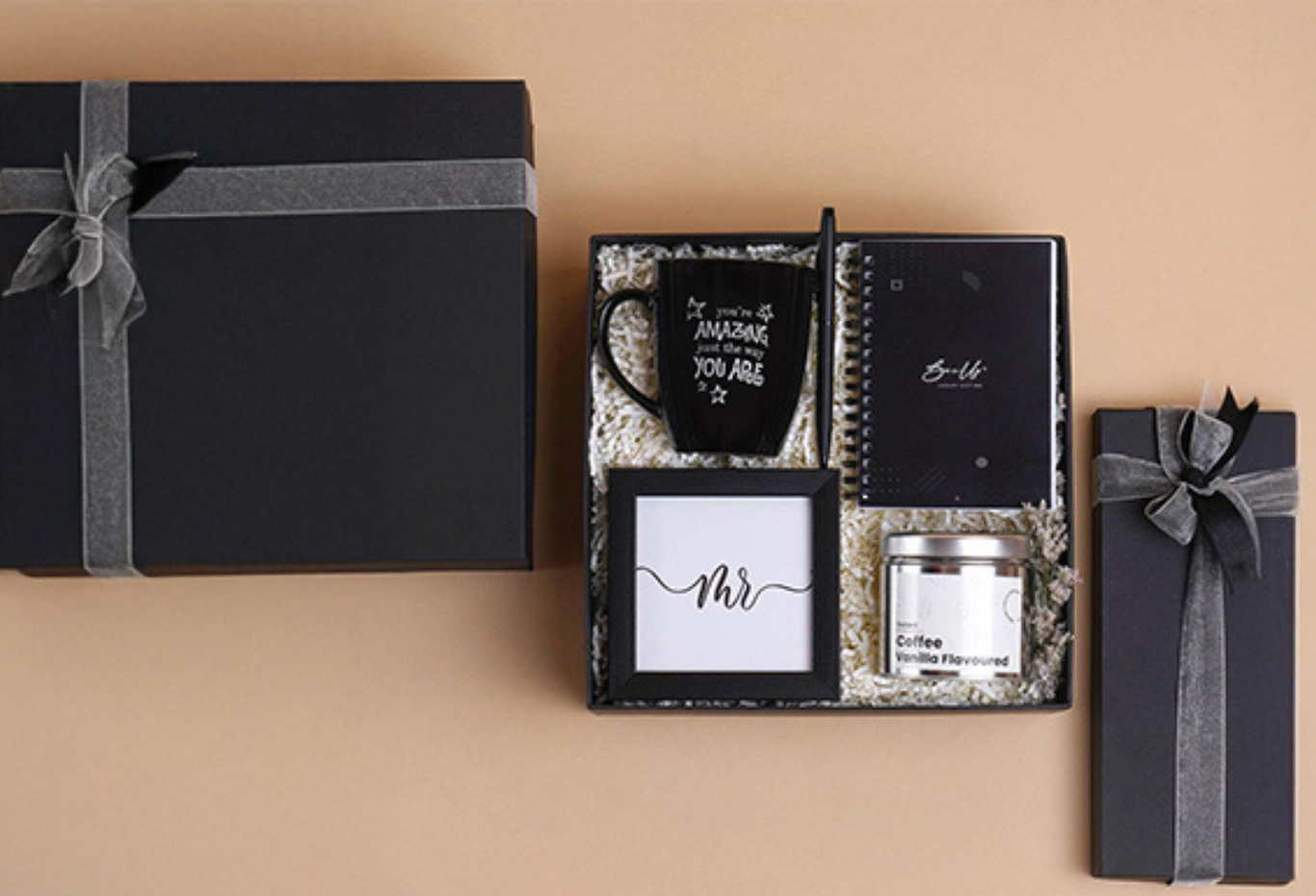
How to Choose the Perfect Gift Every Time: A Practical Framework for 2026
Few things create more last-minute stress than staring at a blank search bar, typing "gift ideas for [insert person]," and scrolling through generic listicles that feel like they could apply to literally anyone. The truth is, thoughtful gift-giving isn't about stumbling onto a lucky find. It's a skill built on paying attention, asking the right questions, and understanding a few key principles about what actually makes a gift feel meaningful.
This guide walks through a practical framework you can apply to any recipient, any occasion, and any budget, so you can stop dreading gift-giving season and start feeling genuinely confident about your choices.
Why Some Gifts Land and Others Fall Flat
Research on gift-giving consistently points to a curious mismatch: givers often assume that price or novelty makes a gift meaningful, while recipients tend to value thoughtfulness, personal relevance, and the sense of being truly seen far more than the price tag attached. This gap explains why an expensive but generic gift can feel oddly hollow, while an inexpensive gift tailored specifically to someone's interests can feel deeply meaningful.
Understanding this distinction is the foundation of better gift-giving. The goal isn't to spend more. It's to pay closer attention.
The Four-Category Framework for Choosing Any Gift
Instead of starting with "what should I buy," a more effective approach starts with "what category of gift fits this person and this relationship." Nearly every great gift falls into one of four categories.
1. Experience Gifts
Experience gifts, such as tickets to an event, a class in a skill they've mentioned wanting to learn, or a planned outing together, tend to create lasting memories rather than physical clutter. Research in consumer psychology has repeatedly found that people often derive more sustained happiness from experiences than from material possessions, partly because experiences become part of our identity and story in a way objects rarely do.
This category works particularly well for recipients who already have plenty of possessions or who have expressed a specific interest in trying something new, from a cooking class to a weekend trip.
2. Consumable Gifts
Consumable gifts, things that get used up over time like gourmet food, wine, coffee, or bath and beauty products, carry a lower risk of becoming clutter and often feel indulgent in a way that permanent objects don't. These work well for recipients who value minimalism or who are difficult to shop for because they tend to buy what they need themselves.
3. Practical or Functional Gifts
Practical gifts solve a specific problem or fill a specific need in someone's life, whether that's a well-made kitchen tool for someone who cooks often, a piece of tech that simplifies a daily task, or quality gear for a hobby they're already invested in. The key to making practical gifts feel thoughtful rather than boring is specificity: a generic "useful" item feels impersonal, while a practical gift tailored to something they've specifically mentioned needing feels attentive and considered.
4. Sentimental or Personalized Gifts
Sentimental gifts draw on shared history, inside jokes, or personal significance, whether that's a custom piece incorporating a meaningful date, a photo book of shared memories, or a handwritten letter. These gifts tend to carry the most emotional weight precisely because they can't be replicated or purchased by anyone else, signaling a level of individual attention that mass-market gifts simply can't match.
The Real Secret: Listening Before Shopping
The single most effective gift-giving strategy has nothing to do with browsing gift guides and everything to do with active listening in the weeks and months leading up to the occasion. People frequently mention things they want, need, or admire in passing conversation, from an offhand comment about a book they'd like to read to a complaint about a broken kitchen gadget they keep meaning to replace.
Keeping a running note, whether in your phone or a dedicated notes app, of these small comments throughout the year transforms gift shopping from a stressful guessing game into a simple matter of revisiting what the person has already told you, in their own words, that they wanted.
Matching the Gift to the Relationship
The appropriate scale and type of gift shifts significantly depending on your relationship with the recipient, and misjudging this balance is one of the most common gift-giving mistakes.
For close family and partners, sentimental and experience-based gifts often carry the most weight, since these relationships typically have the depth of shared history needed to make such gifts land meaningfully.
For friends, a blend of practical and consumable gifts tends to strike the right balance, personal enough to show thoughtfulness without venturing into territory that might feel overly intimate for the relationship.
For colleagues and professional relationships, consumable and practical gifts within a modest, universally appropriate price range tend to be the safest choice, avoiding anything overly personal or that might create an awkward power dynamic, particularly between managers and direct reports.
For acquaintances or obligatory gift exchanges, such as office gift exchanges or distant extended family, well-chosen consumable gifts or small, thoughtful practical items typically hit the right note without requiring deep personal knowledge of the recipient.
Budget Doesn't Determine Thoughtfulness
One of the most persistent myths around gift-giving is that a bigger budget automatically produces a better gift. In reality, thoughtfulness and budget are largely independent variables. A carefully chosen, modestly priced gift that reflects genuine attention to someone's interests will almost always be more appreciated than an expensive but generic gift chosen under time pressure.
If you're working with a limited budget, lean into the sentimental and consumable categories, where cost has less bearing on perceived thoughtfulness. A handwritten letter, a homemade treat incorporating a favorite flavor, or a small item connected to an inside joke can carry as much emotional weight as a significantly more expensive alternative.
Common Gift-Giving Mistakes to Avoid
Buying based on your own taste rather than theirs. It's natural to gravitate toward items you personally find appealing, but the most successful gifts reflect the recipient's preferences, not the giver's.
Waiting until the last minute. Time pressure often leads to generic, rushed choices. Building a running list of gift ideas throughout the year, as mentioned earlier, removes much of this pressure.
Over-relying on generic gift guides. While gift guides can offer inspiration, treating them as a shortcut rather than a starting point often results in impersonal choices that could apply to anyone.
Ignoring practical logistics. A beautiful gift that doesn't fit someone's living space, dietary restrictions, or lifestyle can create more burden than joy. Always factor in practical compatibility alongside sentiment.
Overcompensating with price after a lapse. Trying to make up for a forgotten birthday or overlooked occasion with an expensive gift rarely resolves the underlying feeling of being overlooked. A genuine, timely apology paired with a thoughtful gesture tends to repair the situation more effectively than spending alone.
Gift-Giving for Difficult-to-Shop-For People
Almost everyone knows at least one person who seems impossible to shop for, whether because they claim to want nothing, already own everything they need, or have particular, hard-to-predict taste. A few strategies help in these situations:
- Ask indirect questions about recent frustrations or things they've been curious about, rather than directly asking what they want, which some people find difficult to answer on the spot.
- Consider consumable gifts, since even minimalist or hard-to-shop-for recipients typically appreciate something that won't add to household clutter.
- Offer an experience rather than an object, sidestepping the challenge of guessing at material preferences entirely.
- Ask someone close to them, such as a partner or close friend, who may have insight into recent comments or interests you haven't been privy to.
Presentation Matters More Than People Expect
The way a gift is presented, from thoughtful wrapping to a genuine, specific card message, meaningfully affects how a gift is received, independent of the item itself. A brief note explaining why you chose a particular gift, referencing the specific conversation or memory that inspired it, reinforces the thoughtfulness behind the choice and often becomes as memorable as the gift itself.
Taking even a few extra minutes for presentation, rather than handing over an item in its original shipping packaging, signals additional care and attention that recipients consistently notice and appreciate.
Planning Ahead: Building a Gift-Giving System
For those who find gift-giving consistently stressful, building a simple system throughout the year removes much of the last-minute pressure:
- Maintain a running list of gift ideas for key people in your life, updated whenever they mention something in passing
- Note upcoming occasions well in advance, giving yourself time to source or create something thoughtful rather than settling for whatever's readily available
- Keep a small stock of versatile, high-quality gifts on hand for unexpected occasions or last-minute needs
- Set a general budget framework for different relationship categories, reducing decision fatigue and preventing overspending in the moment
Final Thoughts
Choosing the perfect gift isn't about finding a magic item that works for everyone. It's about paying genuine attention to the specific person in front of you, understanding what category of gift best fits your relationship and their personality, and recognizing that thoughtfulness, not price, is what people actually remember.
The best gifts tell the recipient something simple but powerful: that they were truly seen and heard, even in a passing comment made months earlier. That kind of attention, more than any particular object, is what makes a gift genuinely memorable.