Choosing Instruments, Equipment and Music Gear
Music can begin with something as simple as a voice, a rhythm tapped on a table or a few notes played on an instrument. As interest develops, however, musicians quickly discover a much larger world of instruments, accessories, recording equipment and technology.
The Music & Instruments category brings all of these products together.
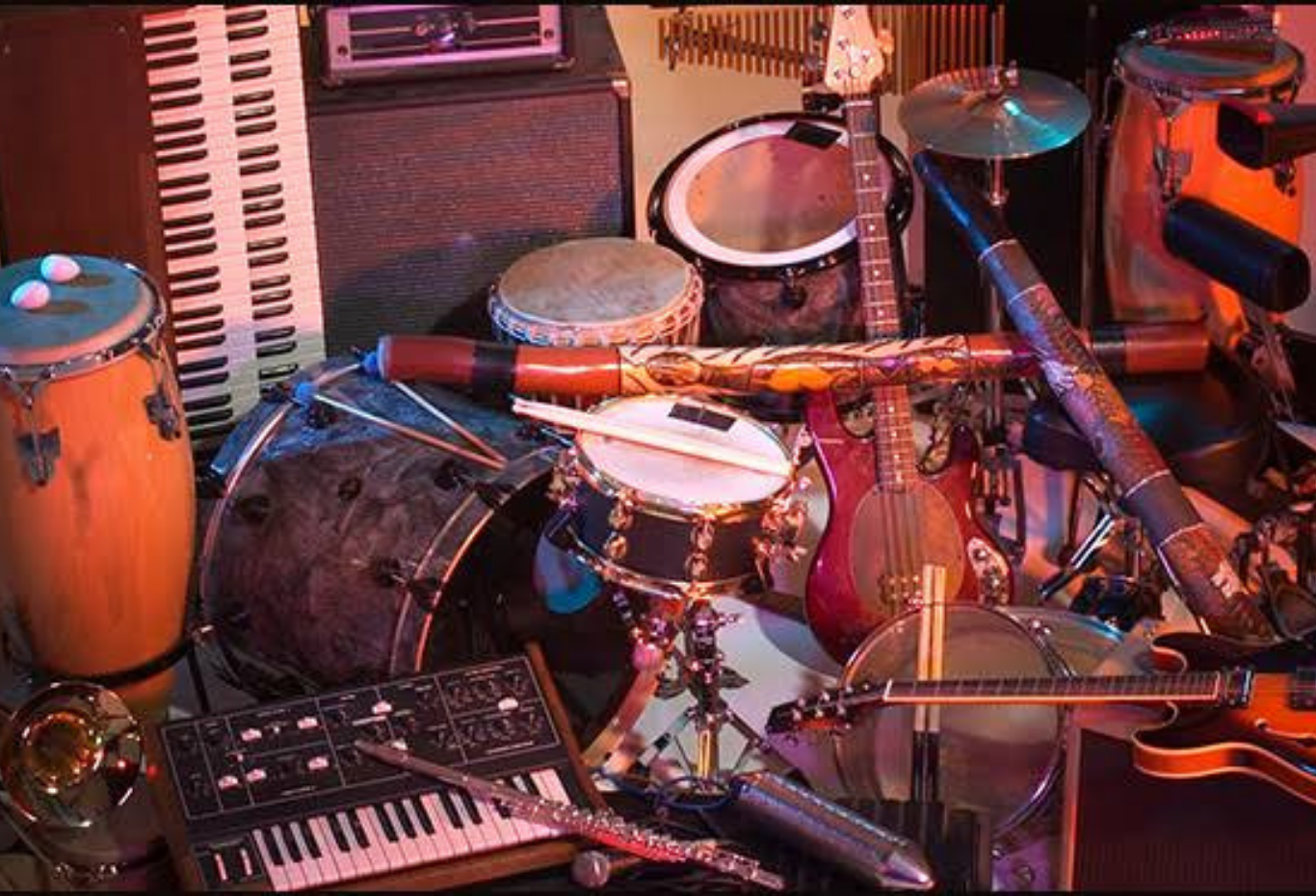
It can include traditional instruments such as guitars, pianos and drums, as well as electronic keyboards, microphones, studio equipment, headphones, speakers, music accessories and tools for recording or performing.
The challenge is not finding something to buy. There are thousands of options.
The real challenge is finding equipment that suits the musician, the type of music, the available space, the playing environment and the intended level of use.
A beginner does not necessarily need professional equipment. An experienced musician may have completely different priorities. A home producer may care more about audio interfaces and microphones than stage equipment, while a live performer may prioritize portability and reliability.
Understanding these differences makes music shopping much more useful.
What Is Included in the Music & Instruments Category?
Music is a broad product category covering both acoustic and electronic equipment.
Major areas include:
-
Guitars
-
Pianos
-
Keyboards
-
Digital pianos
-
Drums
-
Percussion instruments
-
Violins and string instruments
-
Woodwind instruments
-
Brass instruments
-
Microphones
-
Headphones
-
Speakers
-
Amplifiers
-
Audio interfaces
-
Mixers
-
MIDI equipment
-
Recording equipment
-
Music stands
-
Instrument cases
-
Cables
-
Tuners
-
Strings
-
Picks
-
Stands
-
Pedals
-
Other music accessories
Each product serves a different purpose, so the best starting point is not the product itself.
Start with the musician's goal.
Start With the Type of Music You Want to Make
The type of music you want to play can dramatically influence your equipment choices.
Someone interested in rock may look toward electric guitars, amplifiers and effects pedals. A person interested in classical music may have completely different requirements.
Electronic music producers may need keyboards, MIDI controllers, computers and audio interfaces.
Singer-songwriters may benefit from an acoustic guitar, microphone and basic recording equipment.
Before purchasing anything, identify the type of music you want to create.
Ask yourself:
-
What music do I enjoy?
-
Do I want to perform or play privately?
-
Will I record music?
-
Do I need portability?
-
Am I starting as a beginner?
-
How much space do I have?
-
Will other people use the equipment?
These questions can eliminate many unsuitable options immediately.
Choosing a Musical Instrument as a Beginner
Beginners often face the largest number of choices.
The temptation is to purchase an inexpensive starter instrument or jump directly to professional equipment.
Neither approach is always ideal.
A beginner instrument should be:
-
Comfortable to use
-
Appropriate for the player's size
-
Reliable
-
Easy enough to learn on
-
Suitable for the intended style
-
Reasonably durable
-
Within the available budget
The goal is to create an environment where learning is enjoyable.
An instrument that is difficult to play or poorly suited to the player can discourage practice.
Acoustic vs Electronic Instruments
One important decision is whether to choose an acoustic or electronic version of an instrument.
Acoustic instruments create sound through physical vibration, while electronic instruments use electronic systems to generate, process or amplify sound.
Acoustic Instruments
Examples include:
-
Acoustic guitars
-
Violins
-
Pianos
-
Acoustic drums
-
Brass instruments
-
Woodwind instruments
They can provide a natural playing experience but may require more space, maintenance or environmental consideration.
Electronic Instruments
Examples include:
-
Digital pianos
-
Electronic keyboards
-
Electronic drum kits
-
Synthesizers
-
MIDI controllers
Electronic instruments can offer advantages such as headphones, volume control, digital sounds and integration with recording software.
The right choice depends on how and where you intend to play.
Guitars: What Should You Consider?
The guitar is one of the most popular musical instruments, but “guitar” covers several distinct categories.
Acoustic Guitar
Acoustic guitars are suitable for many styles and can be played without an amplifier.
When selecting one, consider:
-
Body size
-
Neck comfort
-
String type
-
Construction
-
Playability
-
Sound
-
Weight
The physical size of the guitar matters particularly for beginners and younger players.
Electric Guitar
Electric guitars generally require amplification to produce their intended sound.
Important considerations include:
-
Neck shape
-
Pickups
-
Body design
-
Bridge
-
Controls
-
Weight
-
Playing comfort
The amplifier becomes part of the overall sound, so the guitar should not be evaluated completely independently from the rest of the setup.
Classical Guitar
Classical guitars typically use nylon strings and have characteristics suited to classical and related playing styles.
Choosing the right guitar therefore begins with understanding what you want to play.
How to Choose a Piano or Keyboard
Pianos and keyboards can look similar but serve different purposes.
A traditional acoustic piano offers a particular mechanical playing experience, while a digital piano is designed to reproduce many aspects of piano playing electronically.
Keyboards often place greater emphasis on sounds, features and versatility.
Consider:
-
Number of keys
-
Key action
-
Sound quality
-
Pedal support
-
Headphone connectivity
-
Built-in sounds
-
Recording functions
-
Portability
-
Available space
If realistic piano playing is your priority, key feel can be more important than the number of additional sounds available.
If you want to experiment with different sounds and arrangements, a feature-rich keyboard may be more appropriate.
Drums and Percussion Instruments
Drums provide rhythm and can be used across countless musical styles.
Traditional acoustic drum kits require adequate space and can produce substantial sound, which may not be suitable for every home.
Electronic drum kits provide another option.
They can offer:
-
Headphone practice
-
Volume control
-
Multiple sounds
-
Recording connectivity
-
Compact configurations
Percussion extends far beyond standard drum kits.
It can include:
-
Hand drums
-
Tambourines
-
Cymbals
-
Shakers
-
Congas
-
Bongos
-
Percussion accessories
Your musical style should determine which equipment makes sense.
String, Brass and Woodwind Instruments
The Music & Instruments category also includes many traditional orchestral and band instruments.
String instruments include:
-
Violins
-
Violas
-
Cellos
-
Double basses
Woodwind instruments can include:
-
Flutes
-
Clarinets
-
Saxophones
-
Oboes
Brass instruments include:
-
Trumpets
-
Trombones
-
French horns
-
Tubas
These instruments often have specific maintenance and accessory requirements.
For example, reeds, bows, strings, valves and other components may require regular attention depending on the instrument.
Why Instrument Size Matters
An instrument should physically suit its player.
This is particularly important for:
-
Violins
-
Cellos
-
Guitars
-
Brass instruments
-
Woodwinds
-
Keyboards and pianos
An uncomfortable instrument can make learning unnecessarily difficult.
Beginners should therefore consider ergonomics and fit instead of focusing only on appearance or price.
Music Accessories You Should Understand
Accessories may appear less important than the instrument itself, but they can strongly affect the playing experience.
Common accessories include:
-
Instrument cases
-
Stands
-
Tuners
-
Metronomes
-
Cables
-
Picks
-
Strings
-
Reeds
-
Drumsticks
-
Pedals
-
Music stands
-
Cleaning products
-
Bench or seating equipment
Some accessories are consumable products and will need regular replacement.
Others are protective equipment designed to extend the life of the instrument.
Instrument Cases and Protection
A case can protect an instrument during storage and transportation.
The right case depends on:
-
Instrument type
-
Travel frequency
-
Protection requirements
-
Weight
-
Storage space
-
Weather exposure
A lightweight soft case may be convenient for short trips, while a more protective case may be preferable for frequent transportation.
Amplifiers and Speakers
For many electronic instruments, the instrument itself is only part of the sound system.
Guitarists may use amplifiers, while keyboards and electronic instruments may use powered speakers or other amplification equipment.
When comparing amplification equipment, consider:
-
Power requirements
-
Sound characteristics
-
Size
-
Inputs
-
Outputs
-
Portability
-
Intended environment
A small practice amplifier may be perfect for a bedroom but unsuitable for a large performance.
Buying according to the actual environment avoids paying for capabilities you will rarely use.
Microphones for Singing and Recording
Microphones are important for singers, podcasters, performers and music producers.
Different microphones are designed for different applications.
When selecting a microphone, consider:
-
Intended recording environment
-
Voice or instrument
-
Connection type
-
Pickup characteristics
-
Durability
-
Required equipment
A microphone that works well in a controlled studio may not be ideal for a noisy room.
The surrounding environment can therefore be just as important as the microphone itself.
Headphones for Musicians
Headphones are useful for practice, monitoring, recording and general listening.
Musicians should pay attention to:
-
Comfort
-
Sound reproduction
-
Cable or wireless connection
-
Isolation
-
Durability
-
Intended monitoring use
For recording, accurate sound reproduction can be more important than exaggerated bass or other consumer-oriented sound characteristics.
Comfort also matters because musicians and producers may wear headphones for extended periods.
Audio Interfaces and Home Recording
Home recording has become accessible to many musicians.
An audio interface can connect microphones and instruments to a computer and can become the central connection point of a basic recording setup.
A simple setup might include:
Instrument → Audio Interface → Computer → Recording Software → Headphones/Speakers
The required equipment depends on the type of recording.
A singer may need a microphone input, while a multi-instrument recording setup may require several inputs.
Avoid buying an interface based purely on the number of connections. Choose according to what you actually need to record.
MIDI and Digital Music Equipment
MIDI technology allows compatible music devices and software to communicate musical information.
MIDI controllers can include:
-
Keyboards
-
Drum pads
-
Control surfaces
-
Other performance controllers
They can be useful for musicians working with digital audio workstations and virtual instruments.
The main advantage is flexibility.
Instead of relying only on physical instruments, musicians can control software-based sounds and arrangements.
Building a Home Music Setup
A home music setup does not have to be complicated.
A beginner might need only:
-
One appropriate instrument
-
Basic accessories
-
Headphones
-
A stand
-
A tuner or metronome
Someone interested in recording might add:
-
Computer
-
Audio interface
-
Microphone
-
Studio headphones
-
Recording software
-
Microphone stand
-
Cables
The important principle is to build gradually.
Buy equipment when you understand why you need it.
How to Choose Music Equipment on a Budget
A limited budget does not mean you cannot create a useful music setup.
Start by identifying the items that directly affect your ability to play or record.
For example, a guitarist may benefit more from spending appropriately on a comfortable guitar and reliable setup than from buying a large collection of accessories.
A practical budget can be divided into:
Essential equipment → Protection → Useful accessories → Optional upgrades
This prevents unnecessary purchases.
New vs Used Musical Instruments
Used instruments can provide excellent value, particularly when buying from reputable sellers.
However, condition matters.
Before purchasing a used instrument, inspect:
-
Physical damage
-
Structural problems
-
Wear
-
Moving components
-
Electronics
-
Hardware
-
Previous repairs
-
Included accessories
For acoustic instruments, environmental exposure can sometimes affect materials and construction.
For electronic equipment, test controls, connections, displays and other functions.
Why Instrument Setup Matters
Sometimes an instrument does not perform well because it needs adjustment rather than replacement.
A professional setup may involve adjustments to elements such as:
-
String height
-
Intonation
-
Neck adjustment
-
Tuning
-
Hardware
-
Instrument-specific components
A properly adjusted instrument can feel substantially different from one that has never been maintained.
Maintaining Musical Instruments
Regular maintenance protects both performance and investment.
Different instruments require different care.
Guitars
Maintenance can include:
-
String replacement
-
Cleaning
-
Tuning
-
Hardware inspection
-
Appropriate storage
Pianos
Pianos may require professional tuning and maintenance.
Drums
Drumheads, hardware and cymbals should be checked regularly.
Wind Instruments
Cleaning and instrument-specific maintenance are important for proper performance.
Electronic Equipment
Keep electronic equipment dry, clean and protected from unnecessary physical damage.
Always follow manufacturer-specific maintenance instructions where available.
Creating a Comfortable Practice Environment
Good equipment cannot replace consistent practice.
Your environment can influence how frequently you play.
A useful practice area should be:
-
Comfortable
-
Accessible
-
Adequately lit
-
Organized
-
Free from unnecessary distractions
Keeping an instrument easily accessible can reduce the friction between deciding to practice and actually starting.
For larger instruments, space planning becomes particularly important.
Music Equipment for Different Users
Beginners
Focus on comfort, simplicity and reliability.
Students
Prioritize equipment that supports learning and regular practice.
Hobby Musicians
Look for a balance between enjoyment, quality and budget.
Performers
Portability, reliability and stage compatibility become more important.
Producers
Recording capability, connectivity and monitoring may take priority.
Professional Musicians
Specialized performance characteristics, durability and long-term serviceability can matter more than basic affordability.
There is no single “best” music setup for all of these users.
How to Compare Musical Instruments
When comparing two instruments, consider more than appearance.
Sound
Does it produce the type of sound you want?
Playability
Is it comfortable and responsive?
Construction
Does the build quality match the intended use?
Reliability
Can you depend on it during regular use or performance?
Maintenance
What ongoing care does it require?
Portability
Can you transport and store it easily?
Upgrade Potential
Can it remain useful as your skills develop?
Total Cost
What will the complete setup cost after accessories and maintenance?
This last point is especially important.
A low-priced instrument may become expensive if it requires numerous additional purchases.
Common Music Shopping Mistakes
Buying the Most Expensive Instrument
Higher price does not automatically mean a better match.
Choosing Based Only on Appearance
An attractive instrument may not feel comfortable to play.
Ignoring Accessories
Cases, cables, stands and other essentials can significantly increase the actual cost.
Buying Too Much Too Soon
Beginners often purchase equipment they do not yet understand.
Ignoring Room Size
Large speakers, drum kits and acoustic instruments can create practical problems in small spaces.
Neglecting Maintenance
Even excellent instruments can deteriorate without appropriate care.
Focusing Only on Specifications
Specifications cannot completely describe how an instrument feels or sounds.
Buying Music Products Online
Online stores make comparison easier, but musical products can be difficult to judge from photographs alone.
Before purchasing, check:
-
Exact model
-
Dimensions
-
Weight
-
Materials
-
Included accessories
-
Warranty
-
Return policy
-
Compatibility
-
Seller reputation
-
User reviews
For instruments, video demonstrations can sometimes provide useful additional information, especially when evaluating sound.
However, recordings can be affected by microphones, rooms and processing, so they should not be treated as a perfect representation.
Why Trying an Instrument Can Matter
Musical instruments are personal.
Two instruments with similar specifications can feel very different.
If possible, trying an instrument can help you evaluate:
-
Comfort
-
Weight
-
Neck or key feel
-
Responsiveness
-
Sound
-
Ergonomics
This is particularly useful for guitars, keyboards, drums and other instruments where physical interaction strongly affects the playing experience.
Music as a Long-Term Skill
One of the most valuable aspects of buying a musical instrument is that the product can become part of a long-term skill.
Unlike many purchases that are quickly replaced, an instrument can remain useful for years.
That changes the way you should evaluate value.
Instead of asking:
“What is the cheapest instrument I can buy?”
consider:
“What instrument will encourage me to keep learning?”
That may lead to a different purchase.
When Should You Upgrade?
An upgrade makes sense when your current equipment is limiting your progress or no longer meets your requirements.
Possible reasons include:
-
Improved skill level
-
New musical style
-
Recording requirements
-
Performance requirements
-
Better sound requirements
-
Reliability problems
-
Physical limitations
Do not upgrade simply because a newer model exists.
Upgrade when the improvement will make a meaningful difference.
Making Music More Accessible
Modern music technology has lowered many barriers to creating music.
A beginner can now combine an affordable instrument with headphones, recording software and a computer to experiment with sounds and arrangements.
At the same time, traditional instruments remain important because they provide physical playing experiences and musical traditions that technology does not completely replace.
The best approach is not to choose between old and new simply because one is newer.
Choose the tools that help you make the music you want.
Final Thoughts
The Music & Instruments category is much larger than a collection of guitars, keyboards and drums.
It includes the equipment people use to learn, practice, perform, record and enjoy music.
The right purchase begins with understanding the musician rather than the product.
Think about musical style, experience level, available space, portability, sound, comfort, maintenance and budget. Then build your equipment gradually around those needs.
For beginners, simplicity can be more valuable than a huge feature list. For experienced musicians, specialized equipment may provide meaningful improvements. For home producers, connectivity and recording capabilities can be central to the decision.
Most importantly, do not allow specifications or marketing to make the decision for you.
A good musical instrument is one that you enjoy playing, can use comfortably and can continue to benefit from as your skills develop.
Whether you are buying your first guitar, upgrading a keyboard, setting up a home studio, choosing a microphone or building a complete music setup, the best equipment is ultimately the equipment that helps you play more, create more and enjoy music more.